Picture this: You’re dealing with painful fibroids that disrupt your daily life, yet you’re not ready to give up on having children. The thought of major surgery terrifies you, and you’re searching for answers about alternatives. You’ve heard about getting pregnant after uterine artery embolization, but questions flood your mind—is it safe? Will it work? Can you really have a baby afterward?
The good news is that uterine artery embolization offers hope for women who want to preserve their fertility while treating troublesome fibroids. This minimally invasive procedure has helped countless patients reclaim their health without the risks and extended recovery associated with traditional surgery. Let’s explore everything you need to know about pregnancy possibilities following this effective treatment.
Understanding Uterine Artery Embolization and Your Fertility
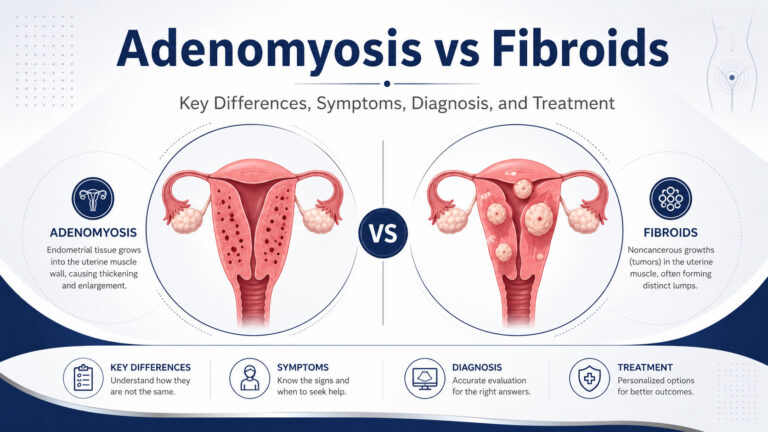
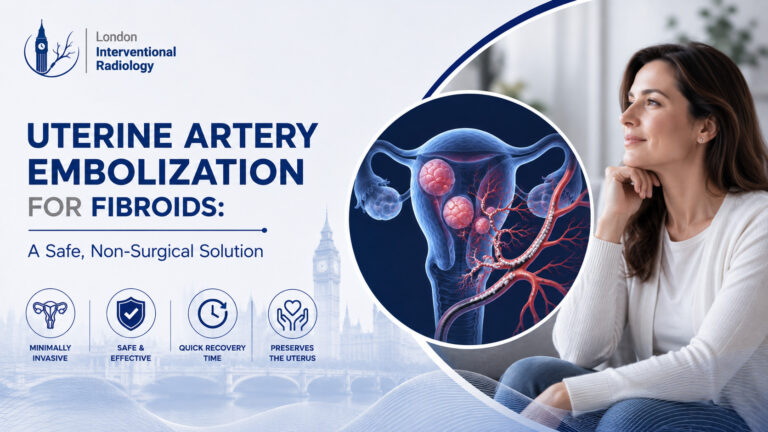
Uterine artery embolization (UAE), also called uterine fibroid embolization (UFE), represents a modern approach to treating uterine fibroids without destroying the uterus itself. During this procedure, a specialist uses catheterization to block blood flow to the fibroids, causing these growths to shrink over time.
Unlike a hysterectomy that removes your entire uterus, UAE preserves your reproductive organs. The procedure involves inserting a thin catheter through a small incision, typically in your groin. Tiny particles are then delivered to block the arterial blood supply feeding the fibroids. Without adequate flow, the fibroids gradually reduce in size, relieving symptoms like heavy bleeding, pelvic pain, and pressure.
Many women concerned about their future fertility find this option appealing. The uterus remains intact, and the surrounding healthy tissue continues receiving blood through other vessels. However, understanding how this treatment might affect your ability to conceive requires looking at actual outcomes and clinical evidence.
Pregnancy After Uterine Artery Embolization: What the Studies Show
Research on fertility outcomes following UAE has grown substantially over recent years. A particular study published in medical journals examined pregnancy rates among women who underwent the procedure while still desiring children. The findings offered encouraging news for many patients.
According to a retrospective study analyzing multiple cases, approximately 50-60% of women who attempted pregnancy after UAE were successful. This compares reasonably well with other treatment options, though individual results vary based on several factors including age, fibroid location, and overall reproductive health.
Another analysis looked at term pregnancies and found that most women who conceived after the procedure carried their babies successfully to birth. The study documented that while some women experienced challenges, the majority had healthy pregnancies without major complications directly linked to their previous embolization.
It’s worth noting that outcomes depend heavily on individual circumstances. Women under 40 typically see better fertility results than those over 40, which mirrors natural fertility patterns. The size and location of the original fibroids also play a role in post-procedure pregnancy success.
Can You Get Pregnant After Uterine Artery Embolization?
Yes, pregnancy is absolutely possible following uterine artery embolization. Numerous women have successfully conceived and delivered healthy babies after undergoing this minimally invasive procedure. The key lies in understanding that every woman’s situation differs, and certain factors influence your specific chances.
Your ovarian reserve remains unaffected by UAE in most cases. The procedure targets the uterine arteries specifically, not the ovarian blood supply. Studies have shown that ovarian function typically continues normally after treatment, meaning your eggs remain viable and your menstrual cycles should resume their regular pattern within weeks to months.
However, some women do experience changes to their fertility potential. Factors that might affect your ability to get pregnant include your age at the time of the procedure, the extent of fibroid involvement, and any underlying fertility issues unrelated to the fibroids themselves. Speaking with a fertility specialist alongside your interventional radiology consultant helps clarify your individual prognosis.
The encouraging reality is that women who desire future pregnancy shouldn’t automatically rule out UAE. The procedure offers a middle ground between doing nothing and removing the uterus entirely, preserving reproductive options while addressing problematic symptoms.
Pregnancy After Uterine Artery Embolization for Postpartum Hemorrhage
While UAE is famous for treating fibroids, it is also a lifesaver in emergency obstetrics. Postpartum hemorrhage (PPH)—severe bleeding after birth—is a leading cause of maternal mortality. In these critical moments, doctors may use uterine artery embolization to stop the hemorrhage without removing the uterus.
For women who undergo UAE for PPH, the outlook for future fertility is generally positive. Because the procedure is highly targeted, the uterus is saved, and menstruation typically returns. A retrospective study analyzing outcomes suggests that many patients who required emergency embolization were able to conceive again. The primary concern in these cases is not usually the embolization itself, but the underlying reason for the hemorrhage. However, the procedure serves as a fertility-sparing bridge, allowing the uterus to heal and recover for potential future siblings.
How Soon Can I Get Pregnant After UFE?
Patience is a virtue, especially when it comes to healing. After undergoing uterine fibroid embolization, your uterus needs time to adjust. The fibroids do not disappear overnight; they shrink gradually as their blood supply is cut off.
Most specialists, including Dr. Samir, recommend waiting at least six months to a year before attempting to conceive. This waiting period allows the inflammatory process to resolve and the fibroid volume to decrease significantly. Attempting to conceive too soon could mean the embryo implants in a uterus that is still inflamed or structurally changing, which might increase the risk of miscarriage or placental abnormalities.
During this recovery phase, your body is clearing out the treated tissue. You might experience changes in your period flow as the uterus normalizes. Use this time to focus on your overall health, ensuring your body is in the best possible state for a future pregnancy.
Pregnancy After Uterine Artery Embolization for AVM
Uterine Arteriovenous Malformation (AVM) is a rare but serious condition where arteries and veins in the uterus connect abnormally, bypassing the capillaries. This can cause massive, life-threatening bleeding. Traditionally, this often led to a hysterectomy.
Today, uterine artery embolization is the gold standard for treating AVMs in women who wish to retain fertility. By selectively blocking the abnormal connections, the bleeding stops while the healthy reproductive tissue remains. Research indicates that pregnancy possibilities remain viable after treating an AVM with embolization. Since the procedure is so precise, it destroys the malformation without widespread damage to the uterine lining. Women treated for AVM often return to normal menstrual cycles and have successfully carried pregnancies to term, avoiding the invasive nature of open surgery.
Uterine Artery Embolization Fertility
The conversation around fertility and embolization is nuanced. It is important to distinguish between “can you get pregnant” and “is it harder to get pregnant.”
Uterine artery embolization is not a sterilization procedure. However, some studies have debated whether it impacts ovarian reserve. In rare cases, especially in women over 45, the particles used to block the uterine arteries might inadvertently affect the blood supply to the ovaries, leading to menopause. However, for younger women desiring fertility, this risk is considerably lower.
Dr. Samir Abdel Ghaffar emphasizes a thorough analysis of each patient’s case. For most women under 40, the ovarian function recovers fully. The reduction in fibroid size often improves fertility by restoring the shape of the uterine cavity, making it easier for an embryo to implant. The goal is to strike a balance: treating the debilitating symptoms of fibroids while safeguarding the reproductive future.
IVF After Uterine Artery Embolization
For patients who already struggle with infertility, In Vitro Fertilization (IVF) is often the next step. But can you do IVF after UAE?
Yes, IVF is an option. In fact, for some women, UAE is a prerequisite to successful IVF. Large fibroids can distort the uterus, making it impossible for an IVF embryo to implant. By shrinking these growths via embolization, the uterine environment becomes more hospitable.
It is crucial to talk to your fertility specialist and interventional radiologist together. They will monitor your ovarian reserve post-procedure. While some data suggests a slight potential for reduced ovarian response in IVF cycles immediately after UAE, the benefit of a fibroid-free uterus often outweighs this risk. Many women have undergone successful IVF cycles and delivered healthy babies after the procedure.
Myomectomy vs UFE Pregnancy
This is the most common debate: Myomectomy (surgical removal of fibroids) vs. Uterine Fibroid Embolization.
- Myomectomy: This is a surgical procedure, often invasive, where the doctor cuts out the fibroids. It is traditionally considered the standard for women wanting to get pregnant because it removes the fibroids immediately. However, it carries surgical risks like blood loss, scar tissue (adhesions), and a longer recovery.
- UFE (UAE): This is minimally invasive, requires no general anesthesia, and has a much shorter recovery. It treats all fibroids at once, whereas myomectomy might miss smaller ones that grow back later.
Recent studies comparing the two have shown that while pregnancy rates might be slightly higher statistically with myomectomy, the complication rates are higher too. UFE offers a safer, faster recovery with fewer risks of hemorrhage or infection. For women with multiple fibroids or those who are poor surgical candidates, UFE is often the superior choice, offering a valid path to pregnancy without the trauma of open surgery.
Fertility After Myomectomy
To understand the comparison, we must look at fertility after myomectomy. While effective, myomectomy is not without its own fertility risks. The surgery involves cutting into the uterus, which creates scar tissue.
If the scarring is severe, it can block the fallopian tubes or affect the uterine lining, leading to secondary infertility. Furthermore, if the surgery weakens the uterine wall, women may be required to have a C-section for all future births to avoid uterine rupture. While myomectomy removes the current fibroids, it does not stop new ones from growing. The recurrence rate of fibroids after myomectomy is significant, meaning some women face repeat surgeries, further impacting their fertility.
Uterine Artery Embolization Procedure
Understanding the procedure helps demystify the fear. Dr. Samir Abdel Ghaffar performs this treatment in a specialized catheterization lab, not an operating room.
- Preparation: You remain awake but sedated (twilight sedation) to ensure no pain.
- Access: A tiny nick is made in the skin, usually at the top of the thigh (femoral artery) or wrist.
- Catheterization: A thin tube (catheter) is threaded through the blood vessels under X-ray guidance until it reaches the uterine arteries supplying the fibroids.
- Embolization: Tiny particles (embolic agents) are injected. These flow to the fibroids and block the blood flow.
- Completion: The catheter is removed, and a small bandage is applied. No stitches are needed.
The entire process typically takes about an hour. The fibroids, starved of blood and nutrients, begin to shrink and die. The symptoms—heavy bleeding, pelvic pain, pressure—improve dramatically. Because it treats the entire uterus, it is highly effective for women with multiple diffuse fibroids. 🩺
Risks and Considerations
No medical procedure is entirely risk-free. While UAE is safer than surgery, patients must be informed.
- Post-Embolization Syndrome: This is common and includes pelvic pain, cramping, nausea, and low-grade fever for a few days as the fibroids break down.
- Ovarian Function: As mentioned, there is a small risk of the particles affecting ovarian blood flow, which could impact fertility levels or lead to early menopause in older patients.
- Discharge: Some women experience vaginal discharge as the fibroid tissue breaks down and is expelled.
- Placental Issues: In future pregnancies, there is a slightly higher rate of placental abnormalities (like placenta previa) associated with post-UAE pregnancies compared to the general population.
However, when compared to the risks of hysterectomy (permanent infertility) or multiple myomectomies (scarring and rupture risk), UAE remains a compelling, minimally invasive option for preserving the uterus.
Frequently Asked Questions
What is the pregnancy rate after uterine artery embolization?
Studies show that approximately 50-60% of women who attempt pregnancy after UAE successfully conceive. However, rates vary based on individual factors like age, overall fertility health, and fibroid characteristics. Women under 35 generally see higher success rates than those over 40, which mirrors natural fertility patterns.
How soon after uterine fibroid embolization can I get pregnant?
Most specialists recommend waiting at least six months after UFE before trying to conceive, though some suggest waiting up to a year. This waiting period allows your uterus to heal completely, fibroids to shrink adequately, and menstrual cycles to normalize. Attempting pregnancy too early might increase complication risks.
Does uterine embolization cause infertility?
Uterine embolization doesn’t typically cause infertility in most women. While the procedure does affect blood flow to the uterus temporarily, adequate circulation usually returns to support pregnancy. However, there is a small risk—less than 5%—of premature ovarian failure, particularly in women over 45. This risk is much lower in younger women who desire future pregnancy.
Can you have a baby after UAE?
Yes, many women successfully have babies after UAE. Clinical studies and real-world experience have documented numerous healthy pregnancies and births following the procedure. Success depends on various factors including your age, overall fertility health, and how well the UAE addressed your fibroid symptoms without compromising uterine function. 🤰
How long does a uterine artery embolization last?
The effects of UAE are generally long-lasting, with most women experiencing permanent fibroid shrinkage and symptom relief. Studies following patients for 5-10 years after the procedure show sustained improvement in most cases. However, new fibroids can potentially develop over time, and some women may require additional treatment years later.
What are the top 3 causes of female infertility?
The three most common causes of female infertility are ovulatory disorders (problems with egg release), fallopian tube damage or blockage (often from pelvic inflammatory disease or endometriosis), and age-related factors affecting egg quality and quantity. Uterine fibroids can contribute to infertility but are not among the top three primary causes.
Is fertility better with UFE or myomectomy?
Research comparing fertility outcomes shows similar pregnancy rates between UFE and myomectomy, with each procedure offering advantages for different situations. Myomectomy might be preferred for large fibroids that severely distort the uterine cavity, while UFE offers benefits for multiple fibroids and faster recovery. A particular study found comparable live birth rates between the two procedures, though individual results vary.
What are the disadvantages of fibroid embolization?
Potential disadvantages include post-procedure pain and cramping during recovery, a small risk of infection, possible allergic reaction to contrast dye, and a slight increase in first-trimester miscarriage risk for women who become pregnant afterward. There’s also a small chance the procedure might not adequately shrink all fibroids, and rarely, fibroid tissue might pass through the vagina during healing.
What if I get pregnant too soon after surgery?
Getting pregnant too soon after UAE increases the risk of complications because your uterus hasn’t fully healed. This might affect how well an embryo implants, increase miscarriage risk, or lead to problems with placental development. If you discover you’re pregnant earlier than the recommended waiting period, contact your doctor immediately for close monitoring throughout your pregnancy.
What are the disadvantages of uterine artery embolization?
Beyond the disadvantages already mentioned, UAE might not be suitable for women with very large fibroids (over 10 cm), those with certain types of fibroids that extend outside the uterus, or women with specific health conditions. The procedure also doesn’t provide tissue for biopsy, which means rare fibroid cancers could theoretically be missed, though this is extremely uncommon.
Can you get pregnant after pelvic vein embolization?
Yes, pregnancy is generally possible after pelvic vein embolization, which is used to treat pelvic congestion syndrome. This procedure targets different vessels than uterine artery embolization and typically doesn’t affect fertility. Women who have pelvic vein embolization often experience improved pelvic pain, which can actually enhance their quality of life during future pregnancies.
Your Next Steps: Choosing the Right Path Forward
Making decisions about fibroid treatment when you want to preserve fertility requires careful consideration and expert guidance. Uterine artery embolization offers a compelling option for many women—effective treatment without the extensive recovery and risks of major surgery.
If you’re dealing with symptomatic fibroids and concerned about your future ability to have children, embolization deserves serious consideration. The procedure’s track record continues improving as techniques advance and specialists gain more experience. Thousands of women have successfully conceived and delivered healthy babies after UAE, proving that fertility preservation is achievable.
The right treatment depends on your unique circumstances: your age, fibroid characteristics, overall health, how soon you want to try conceiving, and your personal preferences about invasiveness and recovery time. Some women will be better candidates for myomectomy, while others will benefit most from UAE.
Dr. Samir Abdel Ghaffar specializes in interventional radiology procedures like uterine artery embolization, offering expertise in treating fibroids through minimally invasive techniques. With extensive training and experience, he can help you understand whether UAE represents the best option for your specific situation.
Don’t let fibroids control your life or force you into choices you’re not comfortable with. Modern medicine offers alternatives to hysterectomy that preserve your reproductive organs and your options for future pregnancy. The first step is having an honest conversation with a specialist who can evaluate your case and explain all available treatments.
Ready to Explore Your Options?
Contact Dr. Samir Abdel Ghaffar for Expert Consultation:
London, UK:
- Clinic: 00442081442266
- WhatsApp: 00447377790644
Cairo, Egypt:
- Booking: +201000881336
- WhatsApp: +201000881336
Schedule a consultation to discuss your fibroid treatment options, learn more about uterine artery embolization, and get personalized guidance about preserving your fertility while addressing troublesome symptoms. Your journey toward better health and reproductive possibilities starts with a single conversation. 💙