Imagine being told you need major surgery, with large incisions and weeks of painful recovery. It is a terrifying thought that keeps many patients awake at night. But what if there was a way to treat the problem from the inside out, through a tiny pinhole? By understanding in interventional radiology what is embolization used for, you unlock a world of safer, faster healing without the trauma of traditional operations.
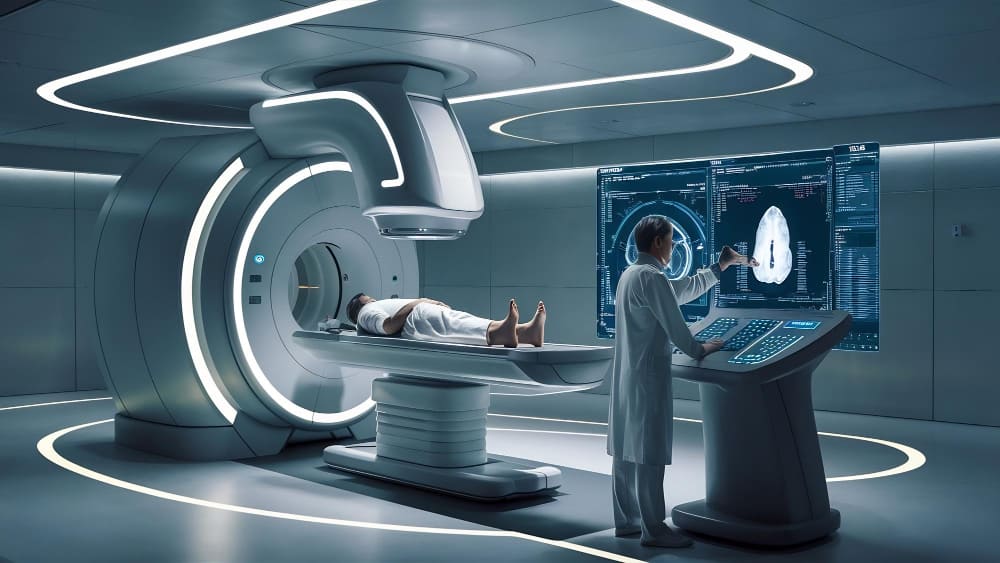
In Interventional Radiology What Is Embolization Used For?
To answer this question, we must first look at how modern medicine has evolved. Interventional radiology is a medical specialization that uses image-guided therapies to treat complex conditions. But the star of the show for many cases is a technique called embolization.
So, in interventional radiology what is embolization used for exactly?
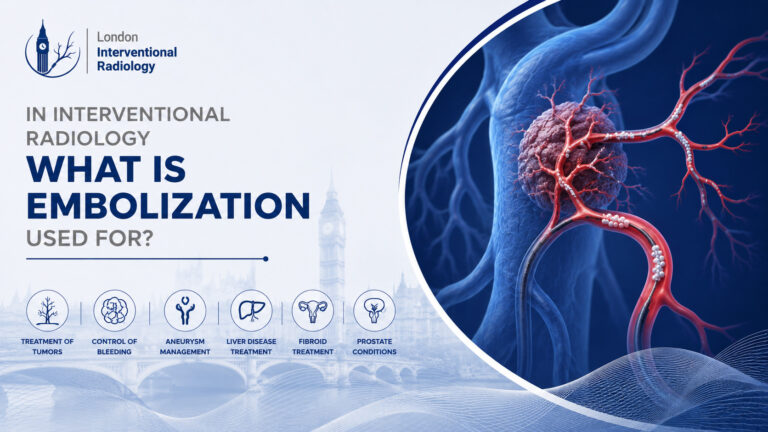
Simply put, embolization is the deliberate blockage of blood vessels. It might sound counterintuitive—usually, we want blood to flow!—but in specific scenarios, stopping that flow is the solution to saving a life or shrinking a tumor.
An interventional radiologist acts like a master plumber of the body’s blood vessels. Using a tiny tube called a catheter, inserted usually through the wrist or groin, the doctor navigates deep into the body. Once they reach the target—whether it’s a bleeding artery or a vessel feeding a tumor—they release commonly used embolic agents. These can be tiny particles, gelatin sponges, or metal coils.
This minimally invasive interventional radiology procedure is performed to:
- Stop bleeding (Hemorrhage): From trauma, ulcers, or post-partum issues.
- Starve Tumors: Cutting off the blood supply to tumors, causing them to shrink.
- Treat Vascular Malformations: Correcting abnormal connections between arteries and veins.
The beauty of this is that it is usually done under local anesthesia with mild sedation. The patient remains comfortable, avoiding the heavy risks of general anesthesia and open surgery.
IR Embolization GI Bleed
Gastrointestinal (GI) bleeding can be life-threatening and frightening. Traditionally, if endoscopic treatments failed, a patient would require emergency open surgery to find and stop the bleed. This carried high risks, especially for elderly or frail patients.
Today, ir embolization gi bleed protocols have changed the game. When a patient comes in with severe bleeding, the interventional radiologist uses fluoroscopy (real-time X-ray) to map the arteries of the stomach or intestines.
Once the leak is pinpointed, catheter embolization is used. The doctor injects particles or coils precisely at the bleeding site. This stops the internal hemorrhage immediately without a single scalpel cut to the abdomen. The impact on patient survival is profound, as the recovery time is significantly less compared to surgery.
Brain Embolization Procedure
The brain is the most delicate organ we have. Treating issues here requires extreme precision. A brain embolization procedure is often used to treat aneurysms—weak spots in blood vessel walls that balloon out and risk bursting.
In the past, treating an aneurysm meant opening the skull (craniotomy). Now, Dr. Samir Abdel Ghaffar and leading specialists can thread a catheter from the leg all the way up to the brain.
Once inside the aneurysm, the doctor releases soft platinum coils. These coils fill the ballooned space, preventing blood from entering it. This significantly lowers the risk of rupture. It is a safe and effective preventive measure that saves patients from the devastating effects of a hemorrhagic stroke.
Arterial Embolization for Bleeding
Trauma affects people unexpectedly—car accidents or deep cuts can cause internal bleeding that surgeons can’t easily reach. Arterial embolization for bleeding is the gold standard in trauma care.
This technique is also vital in obstetrics. Post-partum hemorrhage is a leading cause of maternal mortality. Instead of performing a hysterectomy (removing the uterus) to save the mother, which ends her ability to have children, embolization can stop the bleeding while preserving the uterus.
This application of interventional radiology highlights its role not just in treating disease, but in preserving quality of life and future fertility. It is a light of hope in dark medical emergencies.
Embolization Procedure for Brain Bleed
While we discussed preventing bleeds, what happens if a bleed has already started? An embolization procedure for brain bleed (like in a ruptured AVM) is an emergency intervention.
Here, the goal is to stop the damage instantly. The type of interventional radiology used here is highly specialized. Using liquid embolic agents—special glues that harden upon contact with blood—the radiologist seals off the ruptured vessel.
Is it dangerous? Any brain procedure carries risk. However, compared to the mortality rate of an untreated brain bleed or the trauma of open brain surgery, embolization offers a much higher chance of healing and survival with fewer long-term deficits.
IR Embolization Arterial Non-Hemorrhage
This is where the versatility of the field truly shines. Ir embolization arterial non-hemorrhage refers to using the procedure for conditions that aren’t bleeding but need the blood supply cut off. This is the cornerstone of treating tumors and fibroids.
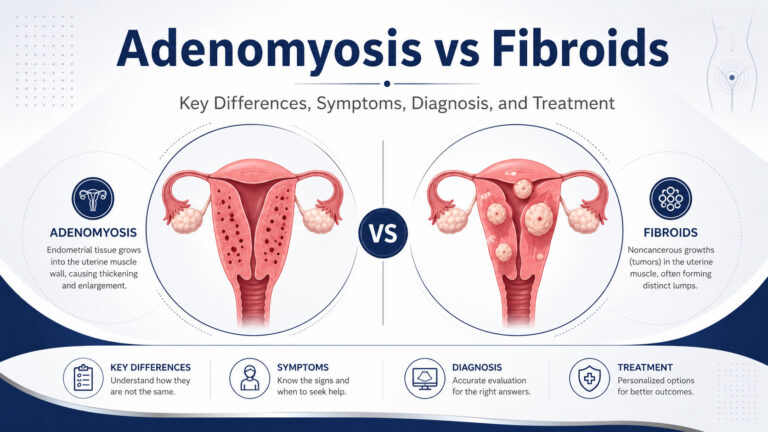
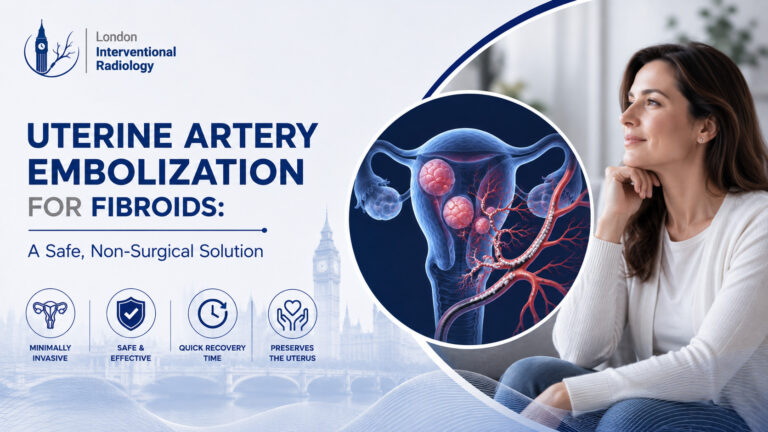
Uterine Fibroids and Adenomyosis
Dr. Samir Abdel Ghaffar is a renowned consultant in this specific area. Many women suffering from uterine fibroids or Adenomyosis are told a hysterectomy is their only choice. This is false.
Uterine Fibroid Embolization (UFE) involves injecting tiny particles into the uterine arteries. These particles block the flow to the fibroids. Without blood, the fibroids shrink and die, while the healthy uterine tissue remains unharmed.
- Pain: The procedure itself is not painful.
- Recovery: Most women go home the same day or the next.
- Result: No large scar, uterus preserved.
Prostate Artery Embolization (PAE)
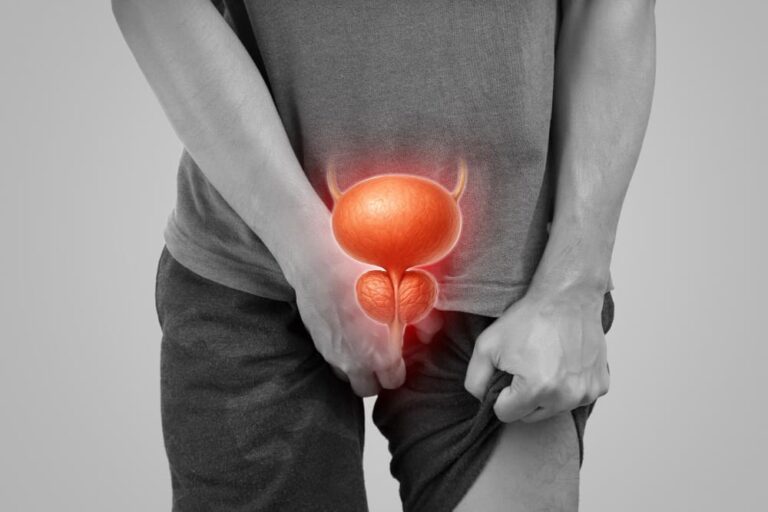
For men, benign prostatic hyperplasia (BPH) causes difficult urination. Instead of cutting out prostate tissue (TURP), PAE blocks blood to the prostate, causing it to shrink. It is a solution that avoids common surgical side effects like sexual dysfunction or incontinence.
Embolization Side Effects
Patients often ask: Is the procedure painful? And what are the risks?
While interventional radiology is safer than traditional surgery, transparency is key.
Common Side Effects:
- Post-Embolization Syndrome: This is the most common reaction. It includes low-grade fever, pain, fatigue, and nausea. It happens because the body is reacting to the treated tissue breaking down.
- Pain Management: Certainly, there will be some discomfort. However, you can take painkillers (analgesics) and anti-inflammatories that he will prescribe them for you. Dr. Samir ensures every patient has a robust pain management plan.
- Bruising: A small bruise at the catheter insertion site is normal.
Serious complications are rare but can include non-target embolization (where beads go to the wrong place). However, with modern imaging and expert hands, this risk is minimized. Compared to the risks of infection and deep vein thrombosis associated with major surgery, embolization is statistically much safer.
IR Embolization ICD 10
For those navigating insurance or medical records, understanding the coding is helpful. Ir embolization icd 10 codes classify the diagnosis.
For example, a patient with a uterine fibroid might see a code like D25.9. The procedure itself is coded differently, but the ICD-10 code justifies the medical necessity of the intervention. Accurate coding ensures that insurance covers these procedures, making them accessible to many people.
Comparison: Embolization vs. Traditional Surgery
When taking into consideration your options, a comparison is helpful.
| Feature | Embolization (Interventional Radiology) | Traditional Surgery |
| Incision | Pinhole (2mm) | Large Incision |
| Anesthesia | Local + Sedation | General Anesthesia |
| Recovery | Days | Weeks or Months |
| Pain | Less painful, managed with meds | Significant post-op pain |
| Hospital Stay | Outpatient or overnight | 3-7 Days |
| Scars | None | Permanent scarring |
Frequently Asked Questions (FAQs)
Here are the answers to the questions patients ask us most frequently.
What is the purpose of embolization in interventional radiology?
The main purpose is to block abnormal blood flow. This is used to stop active bleeding, cut off blood supply to tumors causing them to shrink, or treat aneurysms and vascular malformations. It offers a minimally invasive alternative to open surgery.
What is the most common procedure in interventional radiology?
While there are many, catheter embolization for fibroids and angioplasty (opening blocked vessels) are among the most common. Diagnostic angiograms are also very frequent to diagnose conditions before treating them.
What is PAE in interventional radiology?
PAE stands for Prostate Artery Embolization. It is a breakthrough treatment for enlarged prostate (BPH). It reduces the size of the prostate by blocking its blood flow, improving urinary symptoms without the risk of sexual side effects common in surgery.
What happens to veins after embolization?
When a vein is embolized (like in varicocele or varicose vein treatment), it collapses and turns into scar tissue. The body is smart; it naturally reroutes the blood flow to other healthy veins, so circulation is not compromised.
Does embolization shrink tumors?
Yes. Tumors need a massive blood supply to grow. By blocking the arteries feeding them (chemoembolization or radioembolization), we starve the tumor of oxygen and nutrients. This causes the tumor to die and shrink significantly.
Does embolization use radiation?
Yes, the procedure uses fluoroscopy (real-time X-ray) to guide the catheter. However, the amount is carefully monitored to be as low as possible while ensuring safety. The benefit of the precise treatment far outweighs the minimal radiation exposure.
What is the purpose of a radioembolization procedure in interventional radiology?
Radioembolization (Y-90) combines embolization with radiation therapy. Tiny beads containing radioactive isotopes are injected directly into the tumor (usually in the liver). This delivers a high dose of radiation from the inside, sparing healthy tissue that would be damaged by external radiation.
What is the purpose of a bronchial artery embolization in interventional radiology?
This is typically used to treat coughing up blood (hemoptysis). If a patient has severe lung issues causing bleeding, the interventional radiologist blocks the specific bronchial artery causing the leak, stopping the bleeding instantly.
What is the purpose of uterine artery embolization in interventional radiology?
Its purpose is to treat uterine fibroids and adenomyosis without removing the uterus. It provides relief from heavy bleeding and pain while preserving fertility and femininity. It is the procedure Dr. Samir is most famous for.
What is the main purpose of interventional radiology?
The main goal is to provide minimally invasive treatments using image-guided therapies. This means less risk, less pain, and a faster recovery for the patient, treating conditions that previously required major operations.
Why Choose Dr. Samir Abdel Ghaffar?
When it comes to your health, experience matters. Dr. Samir Abdel Ghaffar is not just a doctor; he is a pioneer in the field. He understands that every patient feels fear when facing a medical procedure.
Whether you are looking for alternatives to hysterectomy, prostate surgery, or tumor treatment, Dr. Samir uses the latest most frequently used embolization devices and techniques. Even if you have consulted other specialists, seeking a consultation with Dr. Samir ensures you have explored every non-surgical option available.
He listens، explains and treats you with the care you deserve.
Don’t let the fear of surgery control your life.
You can contact Dr. Samir Abdel Ghaffar through the following:
1. Contact the following numbers in London, UK 🇬🇧
- Clinic number: 00442081442266
- WhatsApp number: 00447377790644
2. Contact the following numbers in Egypt 🇪🇬
- Cairo booking number: 00201000881336
- WhatsApp number: 00201000881336