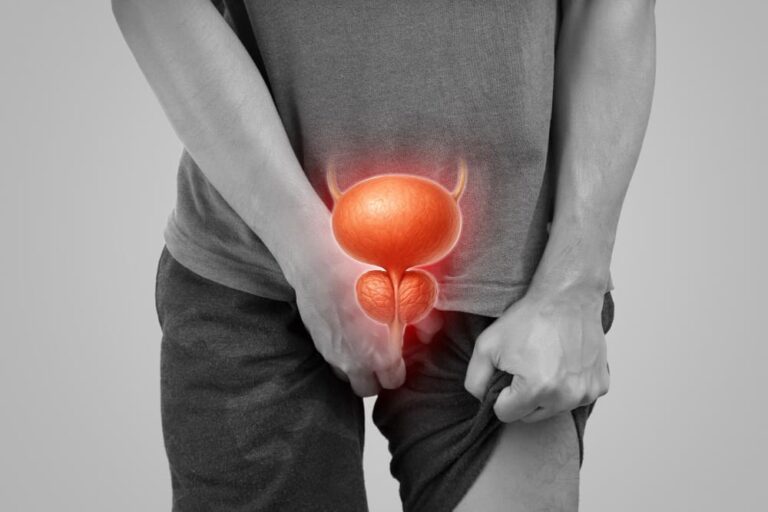
Struggling with frequent bathroom trips at night? Feeling like your bladder never fully empties? An enlarged prostate doesn’t just disrupt your sleep—it affects your quality of life, relationships, and confidence.
Traditional surgery can mean lengthy recovery, potential complications, and weeks away from normal activities. The anxiety of choosing between living with symptoms or facing invasive procedures leaves many men feeling trapped.
Treatment with Echolaser for enlarged prostate offers a micro-invasive alternative that targets problem tissue precisely, preserving healthy areas while delivering relief from urinary symptoms.
What is Echolaser treatment for enlarged prostate?
Echolaser represents a breakthrough in treating benign prostatic hyperplasia (BPH). This minimally invasive medical technology combines ultrasound guidance with laser light transmitted through fine needles to shrink excess prostate tissue without major surgery.
The procedure uses optical fibres thinner than a strand of spaghetti. These fibres deliver thermal energy directly to enlarged prostate lobes, creating controlled heating that causes problematic tissue to reduce in size. Unlike traditional surgery, Echolaser doesn’t require large incisions or lengthy hospital stays.
Royal Surrey NHS Foundation Trust and Queen Elizabeth Hospital are among the handful of trusts offering this ground-breaking treatment. The technology allows surgeons to see exactly where they’re working through real-time ultrasound imaging, ensuring precision that wasn’t possible with older techniques.
What makes this approach special is its ability to treat the gland while preserving surrounding structures. The laser light generates just enough heat to destroy targeted cells without damaging nearby healthy tissue, bladder function, or the structures responsible for intimate function.
Who is a good candidate for Echolaser treatment?
Not everyone with an enlarged prostate needs the same approach. Echolaser works best for specific patient profiles:
- Men experiencing moderate to severe urinary symptoms caused by BPH
- Patients who haven’t responded well to medication or prefer to avoid long-term drug use
- Those seeking shorter recovery times compared to traditional surgery
- Men with prostates between 30-80ml in size (though this can vary)
- Patients wanting to maintain sexual function and avoid certain side effects
The procedure offers particular advantages for men taking blood thinners or those with health conditions that make conventional surgery riskier. Since it uses local anesthesia rather than general, it’s often safer for patients with heart or lung concerns.
However, Echolaser isn’t suitable if you have prostate cancer, severe bladder stones, or certain urinary tract infections that need treatment first. A thorough evaluation helps determine whether this technique matches your specific situation.
How does Echolaser work?
The science behind Echolaser combines two proven technologies: ultrasound imaging and laser ablation. Here’s what happens during treatment:
- Preparation Phase: The patient receives local anesthesia to numb the treatment area. Some doctors offer light sedation for comfort, though you remain awake throughout. The entire setup takes about 15-20 times less time than preparing for traditional surgery.
- Needle Placement: Using transperineal access (through the skin between the scrotum and anus), the surgeon guides fine needles into the enlarged areas of the gland. Ultrasound imaging shows exactly where each needle goes, ensuring accurate targeting of excess tissue.
- Laser Activation: Once positioned correctly, optical fibres inside the needles transmit laser light. This energy heats the tissue to precise temperatures—hot enough to destroy problematic cells but controlled enough to protect healthy zones. The heating creates micro-cavities in the treated areas.
- Monitoring: Throughout the procedure, ultrasound lets the surgeon watch how tissue responds. This real-time feedback allows adjustments for optimal results. The patient’s comfort and safety remain priorities from start to finish.
The destroyed tissue gradually shrinks over the following weeks, relieving pressure on the bladder and urinary tract. Blood flow to the gland also improves, contributing to symptom reduction.
Erection problems after prostate Echolaser
One major concern for men considering any prostate treatment involves potential effects on intimate function. The good news: Echolaser’s design specifically aims to preserve structures responsible for erections.
The procedure’s precision targeting means the laser focuses only on enlarged tissue causing urinary symptoms. The technology avoids the neurovascular bundles—nerve clusters essential for erectile function—that run alongside the prostatic region.
Clinical studies show preservation rates significantly higher than traditional surgical approaches. Most patients maintain their pre-treatment erectile function, and some even report improvements once urinary symptoms resolve and anxiety decreases.
However, every medical intervention carries some risk. A small percentage of patients experience temporary changes in function during the first few weeks post-treatment. These typically resolve as healing progresses and inflammation subsides.
Factors affecting outcomes include:
- Pre-existing erectile function before treatment
- Overall cardiovascular health
- Psychological factors and relationship dynamics
- Age and hormone levels
- Surgeon experience with the technique
Open communication with your doctor about expectations and concerns helps ensure realistic goals. Many men find that improved urinary symptoms and reduced nighttime disruptions actually enhance their quality of life and intimate relationships.
Sexual life after prostate enlargement Echolaser 💪
Beyond erections, men wonder about other aspects of intimacy after treatment. Echolaser’s minimally invasive nature offers advantages in this area too.
Ejaculation Changes
Some procedures for BPH commonly cause retrograde ejaculation (where fluid goes into the bladder instead of out). With Echolaser, this occurs less frequently because the treatment doesn’t disrupt bladder neck function as much as traditional surgery. When it does happen, it doesn’t affect pleasure or orgasm intensity—just the volume of fluid.
Desire and Sensation
The procedure doesn’t affect testosterone levels or libido. Most patients report that once urinary symptoms improve and they’re not constantly worried about bathroom access, their interest in intimacy actually increases. Better sleep from fewer nighttime bathroom trips also contributes to improved energy levels.
Timeline for Resuming Activity
Doctors typically recommend waiting 2-4 weeks before resuming sexual activity. This allows treated tissue to heal properly. The exact timing depends on individual recovery and comfort levels.
Long-term Satisfaction
Studies tracking patients months after Echolaser show maintained or improved satisfaction with intimate life. The combination of symptom relief without major functional side effects explains these positive outcomes.
Partners often notice improvements too. Less anxiety about symptoms, better rest, and reduced medication side effects contribute to better relationship quality overall.
How long does prostate Echolaser surgery take?
The actual treatment time ranges from 30-60 minutes, depending on prostate size and the number of areas requiring treatment. Larger glands or those with multiple enlarged lobes may need slightly longer procedures.
Here’s a typical timeline:
- Arrival and Preparation (30-45 minutes): Check-in, changing into a procedure gown, IV placement if needed, and discussing any last-minute questions with the medical team.
- Procedure Time (30-60 minutes): Local anesthesia administration, needle positioning under ultrasound guidance, laser activation and ablation of tissue, and final checks.
- Recovery Observation (1-2 hours): Monitoring in a recovery area to ensure you’re comfortable, checking that you can urinate normally, reviewing post-procedure instructions.
- Total Time at Facility (3-4 times): Most patients spend about half a day at the hospital or clinic from arrival to departure. This is significantly shorter than traditional surgery, which often requires overnight stays.
The procedure happens as day surgery in most cases. You’ll need someone to drive you home afterward, even though you’re not under general anesthesia. Having a companion also helps ensure you understand all the discharge instructions when you’re still processing the experience.
Planning to take the rest of that day easy is wise, but many patients return to light activities within 24-48 hours.
What are the side effects after prostate Echolaser treatment?
Like any medical procedure, Echolaser can cause temporary side effects. Most are mild and resolve quickly:
- Common Short-term Effects: Mild burning sensation when urinating for the first few days, slight blood in urine that clears within a week, increased urinary frequency temporarily as tissue heals, mild discomfort in the treatment area.
- Less Common Effects: Temporary urinary retention requiring a catheter for a few days, urinary tract infection (treated with antibiotics), prolonged blood in urine beyond one week, mild fever or flu-like symptoms.
- Rare Complications: Significant bleeding requiring intervention, severe infection, damage to surrounding structures, persistent pain or discomfort.
The micro-invasive nature of Echolaser means complication rates are lower compared to traditional surgical options. The use of ultrasound guidance and the precision of laser light delivery minimize risks to healthy tissue.
Most patients manage post-procedure discomfort with over-the-counter pain relief. Drinking plenty of water helps flush the urinary tract and promotes healing. Avoiding strenuous activity, heavy lifting, and prolonged sitting during the first week supports optimal recovery.
Warning signs requiring immediate medical attention include fever above 38.5°C, inability to urinate, severe pain not controlled by medication, or heavy bleeding. These occur rarely but need prompt evaluation.
The balance between effectiveness and safety makes Echolaser an attractive option for many patients seeking relief from BPH symptoms without the risks associated with more invasive surgery.
How long does recovery take after prostate Echolaser surgery? ⏱️
Recovery happens in phases, with most patients experiencing rapid improvement:
Week 1: Initial Healing
Expect some urinary symptoms as inflammation from treatment causes temporary swelling. You might urinate more frequently or feel urgency. Light activities are fine, but avoid heavy lifting or exercise. Most men return to desk work within 3-5 days.
Weeks 2-4: Progressive Improvement
Inflammation subsides and treated tissue begins shrinking. Urinary flow typically starts improving noticeably. You can gradually resume normal activities, including light exercise. Sexual activity can usually resume after week 3-4 with your doctor’s approval.
Weeks 4-12: Continued Optimization
The gland continues reducing in size as destroyed tissue gets reabsorbed. Symptoms keep improving during this period. Most patients reach their maximum benefit by the three-month mark.
Long-term: Maintenance
Once fully healed, the results remain stable. Regular follow-up appointments track progress and ensure continued success. The treated tissue doesn’t typically regrow, though BPH can affect different areas over time.
Compared to traditional surgery requiring 6-8 weeks of restricted activity, Echolaser’s faster recovery timeline appeals to men wanting to minimize disruption to work and lifestyle. The shorter time off translates to less impact on income, family responsibilities, and overall routine.
Individual experiences vary based on factors like prostate size, overall health, and how closely you follow post-procedure instructions. Staying hydrated, avoiding bladder irritants like caffeine and alcohol initially, and maintaining regular follow-up appointments support optimal outcomes.
What is the success rate of prostate Echolaser treatment? ✅
Measuring success involves multiple factors: symptom improvement, urinary flow rates, quality of life changes, and patient satisfaction.
Symptom Relief
Studies show 70-85% of patients experience significant reduction in urinary symptoms. Nighttime bathroom trips typically decrease from 4-6 times to 1-2 times. Daytime frequency improves, and the feeling of incomplete bladder emptying resolves for most men.
Objective Measurements
Urinary flow rates improve by an average of 50-70% compared to pre-treatment values. Residual urine in the bladder after voiding decreases substantially. Prostate size reduction ranges from 30-50% depending on initial size and treatment extent.
Durability
Follow-up data extending 3-5 years shows maintained results for the majority of patients. Some men eventually need additional treatment as the gland continues growing in untreated areas, but this occurs less frequently than with some medication approaches.
Patient Satisfaction
Satisfaction surveys reveal 80-90% of patients would choose Echolaser again and recommend it to others. The combination of effectiveness, safety profile, and faster recovery drives these high ratings.
Comparison to Other Treatments
Echolaser sits between medication (less invasive but less effective) and traditional surgery (more invasive but highly effective). It offers a middle ground that many patients find optimal for their circumstances.
Factors affecting individual results include prostate size, symptom severity before treatment, overall health status, and adherence to follow-up care.
The technology continues advancing, with promising techniques and refinements improving results over time. As surgeon experience grows and equipment evolves, success rates trend upward.
Is prostate Echolaser treatment dangerous?
Every medical procedure carries some risk, but Echolaser’s safety profile compares favorably to alternatives:
Low Complication Rates
Serious complications occur in less than 2-3% of cases—significantly lower than traditional prostatectomy procedures. The minimally invasive approach, use of local anesthesia, and real-time ultrasound guidance all contribute to enhanced safety.
Reduced Bleeding Risk
Because no large incisions or extensive tissue removal occurs, blood loss is minimal. This makes treatment safer for patients on blood thinners or with clotting disorders.
Lower Infection Rates
Shorter procedure times and smaller entry points reduce infection risk compared to open surgery. Prophylactic antibiotics further minimize this concern.
Anesthesia Safety
Local anesthesia avoids risks associated with general anesthesia, particularly important for older patients or those with heart and lung conditions.
Functional Preservation
The precision of laser ablation technology means lower rates of incontinence and erectile dysfunction compared to more aggressive surgical approaches.
Hospital Setting Safety
Procedures performed in accredited facilities by experienced surgeons add layers of safety through proper equipment, emergency protocols, and trained staff.
That said, no treatment is entirely without risk. Choosing an experienced practitioner familiar with the technology who has treated numerous patients with this technique has a significant impact on safety and outcomes.
Understanding both benefits and potential risks allows informed decision-making. Discussing your specific health situation, medications, and concerns helps your doctor determine whether Echolaser offers the best balance of effectiveness and safety for your case.
Frequently Asked Questions
What is Echolaser?
Echolaser is a minimally invasive treatment technology combining ultrasound imaging with laser energy to treat enlarged prostate tissue. The system uses fine optical fibres to deliver precise thermal ablation to targeted areas while preserving healthy tissue.
Who can benefit from Echolaser?
Men with benign prostatic hyperplasia experiencing moderate to severe urinary symptoms make ideal candidates. The treatment particularly benefits those seeking alternatives to medication or traditional surgery, wanting faster recovery, or concerned about preserving intimate function.
What is Echolaser laser treatment?
The treatment involves using ultrasound-guided laser ablation to shrink excess prostatic tissue. Laser light transmitted through optical fibres creates controlled heating that destroys enlarged areas causing urinary obstruction, leading to symptom relief without major surgery.
How does the procedure work?
After local anesthesia, the surgeon uses transperineal access to place fine needles containing optical fibres into enlarged prostate lobes. Ultrasound guidance ensures accurate positioning. Laser activation then heats and destroys targeted tissue, which shrinks over subsequent weeks.
What is transperineal laser ablation of the prostate (TPLA)?
TPLA describes the approach of accessing the gland through the perineum (area between scrotum and anus) to perform laser ablation. This route offers excellent visualization through ultrasound and allows treatment of the entire gland from a single access point.
Schedule a consultation to discuss whether Echolaser treatment matches your needs and learn more about this ground-breaking approach to managing enlarged prostate symptoms.