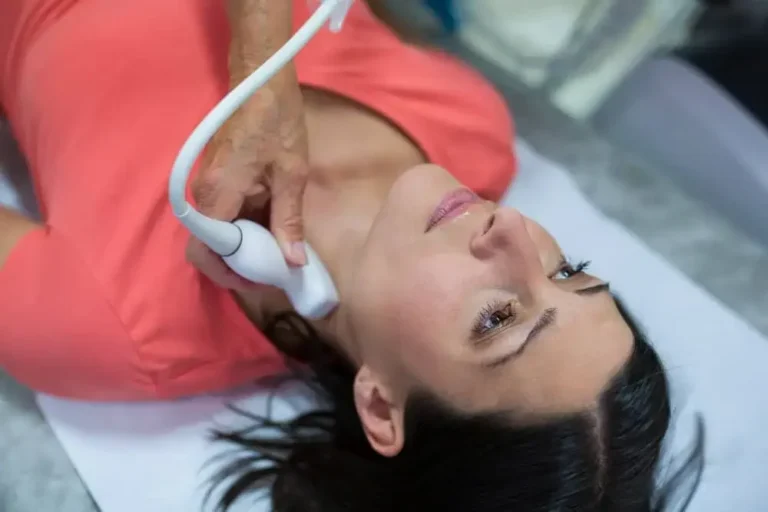
Feeling a lump in your throat? Many patients discover thyroid nodules during routine checkups, triggering worry about surgery. But what if there’s a gentler path? Traditional thyroid surgery often means long recovery times and permanent medication. Through radiofrequency ablation, you can shrink benign growths without going under the knife. Dr. Samir Abdel Ghaffar brings this advanced technique to patients seeking relief from symptomatic nodules while preserving their thyroid gland.
The health landscape has changed dramatically. Where surgery once seemed like the only option, minimally invasive techniques have emerged as effective alternatives. This case report explores how thermal ablation offers hope for patients with solid thyroid nodules, explaining what to expect from this increasingly recognized practice.
Understanding Thyroid Nodules and When Treatment Becomes Necessary
Thyroid nodules are surprisingly common growths within the gland located at the base of your neck. Studies show that up to 65% of the population develops these nodules during their lifetime, though most remain unaware of them. The female population experiences these conditions at higher rates than males.
These growths range from tiny, harmless bumps to larger masses that cause noticeable symptoms. Most nodules are benign, meaning they’re not cancerous. However, growing nodules can press against your windpipe or esophagus, making swallowing difficult or creating visible neck swelling.
Your endocrinologist will typically monitor small, asymptomatic nodules through regular ultrasound examinations. Treatment becomes recommended when nodules cause discomfort, grow beyond a certain size, or create cosmetic concerns. The Korean Society of Thyroid Radiology has established clinical guidelines to help determine which patients benefit most from intervention.
Traditional management involved either watchful waiting or surgical removal. However, the body of evidence now supports thermal ablation as a primary treatment option for carefully selected cases.
RFA Thyroid: What Makes Radiofrequency Ablation Different
Radiofrequency ablation (RFA) represents a breakthrough in treating benign thyroid nodules. Unlike surgery, which removes part or all of the thyroid gland, RFA destroys problematic tissue from within while leaving healthy tissue intact.
The procedure uses radiofrequency waves—similar to those in your microwave but precisely controlled—to heat and destroy targeted nodule cells. This thermal technique causes the nodule to shrink gradually over several months, with patients typically seeing 50-90% volume reduction.
What makes this approach remarkable is its precision. Using ultrasound guidance, the expert team can target specific areas within the nodule, ensuring surrounding structures remain protected. The moving-shot technique, taught in specialized programs like the Master Course of Thyroid Radiofrequency Ablation, allows practitioners to treat nodules systematically and safely.
Microwave ablation (MWA) offers similar benefits, using microwave energy instead of radiofrequency. Both techniques fall under the category of thermal ablation, and studies comparing their effectiveness show comparable outcomes for most patients.
Radiofrequency Ablation Thyroid Nodule Near Me: Finding the Right Specialist
Locating a qualified practitioner for thyroid ablation requires research. This procedure demands specialized training beyond standard medical education. Dr. Samir Abdel Ghaffar, as a consultant in interventional radiology, has dedicated years to mastering these minimally invasive procedures.
Interventional radiologists combine imaging expertise with procedural skills, making them ideally suited for ultrasound-guided treatments. When searching for “radiofrequency ablation thyroid nodule near me,” consider these factors:
- Training and Experience: Ask about the number of procedures performed. Volume matters when it comes to achieving optimal outcomes and minimizing complications.
- Technology and Devices: Modern radiofrequency devices offer better temperature control and safety features. Ensure your provider uses current equipment designed specifically for thyroid applications.
- Comprehensive Support: From initial consultation through follow-up care, you deserve a team that provides assistance at every step. Dr. Samir Abdel Ghaffar offers consultation services in both London and Egypt, making expert care accessible to more patients.
- Patient-Centered Approach: The best practitioners take time to explain the procedure, discuss realistic expectations, and address your concerns thoroughly.
Thyroid Ablation vs Surgery: Comparing Your Treatment Options
Deciding between ablation and surgery involves weighing multiple factors. Here’s what the clinical evidence tells us:
- Thyroid Function Preservation: Surgery, particularly total thyroidectomy, requires lifelong thyroid hormone replacement. RFA typically preserves gland function, allowing most patients to avoid medication. For those with hyperthyroidism affecting only part of the gland, this distinction becomes especially important.
- Recovery Time: Surgical patients often need weeks to recover fully. With RFA, you can return to normal activities within days. The outpatient nature of ablation means no hospital stay, no general anesthesia, and significantly less disruption to your life.
- Scarring and Cosmetic Outcomes: Traditional surgery leaves a visible neck scar. Ablation requires only a tiny needle insertion point that becomes virtually invisible over time. For patients concerned about cosmetic appearance, this difference matters greatly.
- Risks and Complications: While both approaches carry risks, the safety profile differs. Surgery risks include vocal cord paralysis, hypoparathyroidism, and bleeding. Ablation complications are generally less severe, though they can occur.
- Long-term Effectiveness: For benign nodules, studies report high success rates with ablation. The volume reduction rate (VRR) typically exceeds 70% at one year, with sustained results in most cases. However, recurrence rates vary, and some patients may need repeat treatment.
Neither option is universally superior. Your choice depends on nodule characteristics, symptoms, personal preferences, and medical history. 💡
Thyroid Ablation Side Effects: What Patients Should Expect
Understanding potential side effects helps you prepare mentally and physically for treatment. Most patients undergoing radiofrequency ablation experience mild, temporary effects:
- During the Procedure: You’ll feel some pressure and warmth as the radiofrequency energy is delivered. Local anesthesia keeps pain minimal, though some discomfort is normal. The procedure typically takes 20-45 minutes, depending on nodule size.
- Immediate Post-Procedure Effects: Mild pain or soreness in the neck area is common, usually managed with over-the-counter pain medication. Some patients report a sensation of tightness or swelling that resolves within days.
- Short-Term Symptoms: Voice changes can occur if the treatment area is near the vocal cords, though this is uncommon with careful technique. A small percentage of patients experience temporary thyroid function changes.
- Serious but Rare Complications: These include nerve damage affecting voice, skin burns, or nodule rupture. Experienced practitioners minimize these risks through meticulous technique and real-time ultrasound monitoring.
The management of side effects involves close follow-up. Dr. Samir Abdel Ghaffar’s team provides clear instructions about what symptoms warrant immediate attention versus those that resolve naturally.
Thyroid Ablation London: Accessing Advanced Care with Dr. Samir Abdel Ghaffar
London has emerged as a hub for advanced medical treatments, including thyroid ablation. Patients seeking this nonsurgical alternative benefit from the city’s concentration of medical expertise and state-of-the-art facilities.
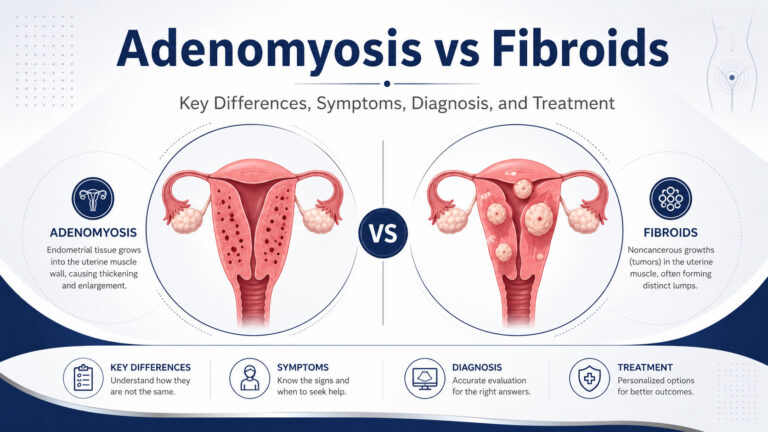
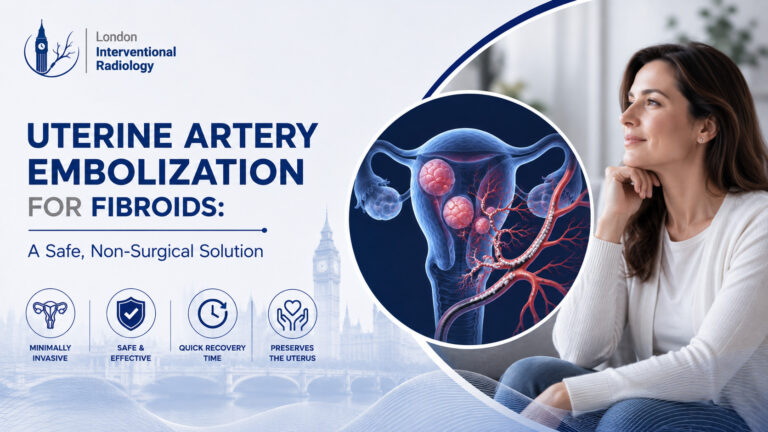
Dr. Samir Abdel Ghaffar brings interventional radiology expertise to patients in London and internationally. His practice focuses on catheterization-based treatments that offer alternatives to traditional surgery. This includes not only thyroid ablation but also procedures for conditions like fibroids, where uterine artery embolization provides an alternative to hysterectomy.
London Contact Information:
- Clinic Number: 00442081442266
- WhatsApp: 00447377790644
For patients in Egypt seeking the same expert care:
- Cairo Booking Number: +201000881336
- WhatsApp: +201000881336
The consultation process begins with a thorough evaluation of your medical history, imaging studies, and treatment goals. This personalized approach ensures you receive recommendations aimed specifically at your situation.
The Procedure Explained: What Happens During Thyroid RFA
Understanding the step-by-step process reduces anxiety and helps you prepare:
Pre-Procedure Preparation: You’ll undergo ultrasound imaging to map the nodule precisely. Blood tests check thyroid function and ensure you’re a suitable candidate. Most patients don’t need to stop eating or adjust medications significantly.
The Treatment Session: Performed as an outpatient procedure, RFA typically follows this sequence:
- Positioning: You’ll lie comfortably on your back with your neck slightly extended
- Local Anesthesia: The treatment area receives numbing medication
- Ultrasound Guidance: Real-time imaging ensures accurate needle placement
- Ablation: The radiofrequency electrode destroys nodule tissue systematically
- Monitoring: Your vital signs and comfort level are checked throughout
Post-Procedure Care: After a brief observation period, you can go home. Ice packs reduce swelling, and mild pain relievers address discomfort. Most patients resume normal activities within 24-48 hours, though strenuous exercise should wait a few days. 🔬
Follow-Up Schedule: Ultrasound examinations at intervals of 1, 3, 6, and 12 months track the nodule’s response. You’ll see gradual shrinkage over this period, with maximum volume reduction typically achieved by six months.
Who Benefits Most: Ideal Candidates for Thyroid Radiofrequency Ablation
Not everyone with thyroid nodules needs treatment, and not all treated patients are candidates for ablation. The criteria for radiofrequency ablation include:
Nodule Characteristics:
- Benign diagnosis confirmed through fine-needle aspiration
- Solid or predominantly solid composition
- Symptomatic growth causing discomfort or cosmetic concerns
- Size typically between 2-4 cm, though larger nodules can sometimes be treated
Patient Factors:
- Desire to avoid surgery
- Good general health
- Realistic expectations about outcomes
- Willingness to attend follow-up appointments
Special Considerations: Patients with papillary thyroid carcinoma (PTC) represent a more controversial group. While some guidelines support ablation for very small, low-risk cancers in selected cases, this remains an evolving area. The primary focus stays on benign nodules where the evidence base is strongest.
Who should avoid this treatment? Patients with suspicious or confirmed aggressive cancer, those with nodules in difficult anatomical locations, or individuals with bleeding disorders may not be suitable candidates. A thorough evaluation determines whether ablation or another approach serves you best.
Frequently Asked Questions About Thyroid RFA
What is the downside of radiofrequency ablation?
The main downsides include the possibility of incomplete nodule destruction requiring repeat treatment, potential for recurrence, and the fact that not all nodules respond equally well. Unlike surgery, which removes the entire nodule immediately, ablation works gradually. Some patients prefer the definitive nature of surgical removal.
Is thyroid RFA FDA approved?
Radiofrequency ablation devices have FDA approval for various medical applications. While specific thyroid indications continue to expand, the technique is widely practiced internationally with strong evidence supporting its effectiveness and safety profile. ✅
Is RF safe for the thyroid?
When performed by trained specialists using proper technique, radiofrequency ablation is safe for treating thyroid nodules. The procedure’s safety record compares favorably to surgery, with lower rates of serious complications in most studies.
What are the criteria for radiofrequency ablation of the thyroid?
Ideal candidates have benign, symptomatic, solid nodules confirmed through biopsy. The nodule should cause symptoms—either compressive effects or cosmetic concerns—that justify treatment. Patients should understand the expected outcomes and commit to follow-up monitoring.
Who should not have radiofrequency ablation?
Patients with suspicious or malignant nodules (except very specific low-risk PTC cases), those with large predominantly cystic nodules, individuals unable to lie still during the procedure, or those with significant medical conditions increasing procedural risks should consider other options.
What are the dangers of radiofrequency?
Serious complications are rare but can include vocal cord paralysis from nerve damage, skin burns, infection, or bleeding. The rate of major complications in experienced hands is typically below 1-2%. Temporary voice changes occur more commonly but usually resolve.
How painful is a thyroid ablation?
Most patients describe the procedure as uncomfortable rather than painful. Local anesthesia controls most sensation, though you may feel pressure and warmth. Post-procedure pain is generally mild, managed effectively with simple pain medication.
Who is a good candidate for radiofrequency ablation?
Good candidates include patients with confirmed benign nodules causing symptoms, those preferring to avoid surgery, individuals wanting to preserve thyroid function, and people seeking minimal downtime. Your overall health should be stable enough to tolerate the procedure.
What are the long-term side effects of ablation?
Long-term side effects are uncommon. Most patients maintain normal thyroid function. Rare cases develop delayed voice changes or nodule regrowth requiring additional treatment. Regular monitoring catches these issues early when they do occur.
Your Next Steps: Moving Forward with Confidence
Making informed decisions about your health requires reliable information and expert guidance. Thyroid nodule radiofrequency ablation has emerged as an effective outpatient treatment for carefully selected patients, offering benefits that include preserved thyroid function, minimal scarring, and quick recovery.
Dr. Samir Abdel Ghaffar’s expertise in interventional radiology provides patients access to this advanced technique. Whether you’re exploring alternatives to surgery for the first time or seeking a second opinion, personalized consultation clarifies your options.
The treatment landscape continues evolving. What seemed impossible a decade ago—shrinking thyroid nodules without surgery—has become routine practice for qualified specialists. Studies consistently demonstrate the technique’s effectiveness, with most patients reporting satisfaction with their outcomes.
Your thyroid health matters. Don’t let fear of surgery prevent you from addressing symptomatic nodules. Modern medicine offers gentler paths forward, and you deserve care that respects both your body and your lifestyle preferences.
Ready to learn more? Contact Dr. Samir Abdel Ghaffar’s team to schedule your consultation and discover whether thyroid radiofrequency ablation is right for you. Expert assistance awaits, whether you’re in London or Egypt.