Living with painful, heavy periods isn’t normal. Many women suffer silently, believing surgery is their only option. There’s a proven alternative for those struggling with symptomatic uterine fibroids—a gentle procedure that preserves your uterus. 💙
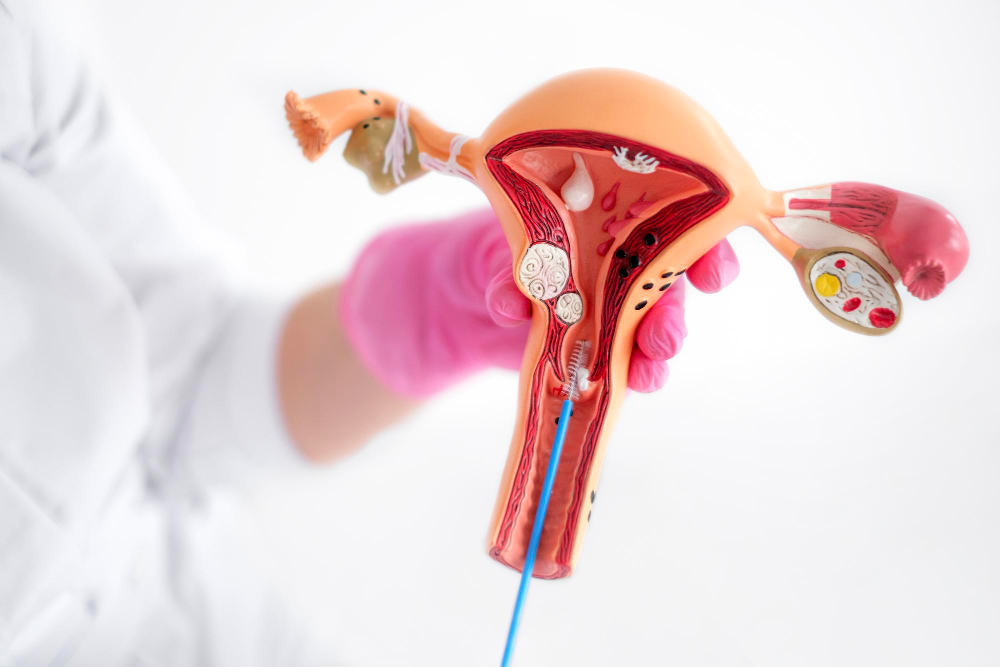
Understanding Uterine Fibroid Embolization
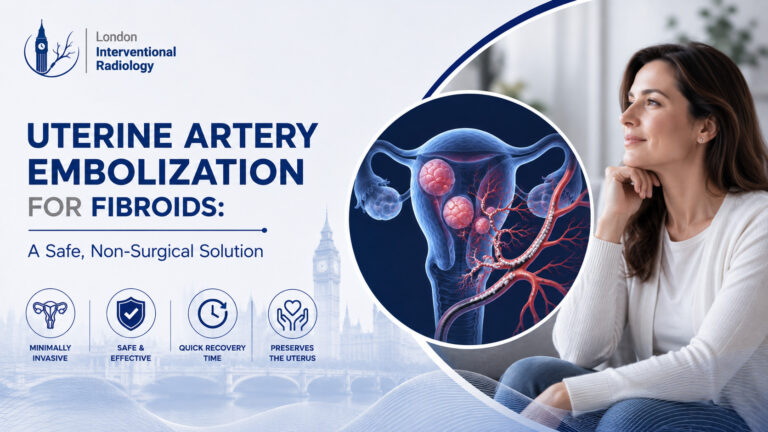
Uterine fibroid embolization (UFE), also called uterine artery embolization, represents a breakthrough in treating problematic fibroids without major surgery. This minimally invasive treatment option works by blocking blood flow to fibroids, causing them to shrink naturally over time.
Dr. Samir Abdel Ghaffar, a consultant in Interventional Radiology, specializes in this catheter-based approach that helps women avoid hysterectomy while finding real relief from their symptoms. The UFE procedure has transformed treatment for countless women experiencing heavy menstrual bleeding, pelvic pressure, and other fibroid-related issues.
Unlike surgical approaches that require cutting into the uterus, this technique uses a tiny catheter inserted through a small puncture in the wrist or groin. Patients typically recover within days rather than weeks, making it an attractive alternative to traditional surgery.
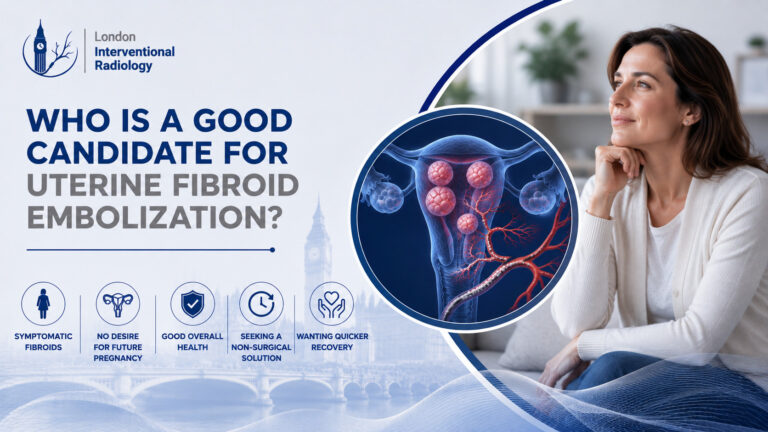
Who Is a Good Candidate for Uterine Fibroid Embolization?
The best candidates for uterine fibroid embolization share several common characteristics. Women experiencing symptomatic uterine fibroids who want to preserve their uterus often find this procedure particularly suitable.
You might be an ideal candidate if you:
- Experience heavy menstrual bleeding that affects your daily life
- Deal with pelvic pain or pressure that won’t go away
- Notice urinary frequency or constipation caused by large fibroids
- Want to avoid major surgery and its associated risks
- Have completed childbearing or aren’t planning pregnancy soon
- Suffer from intramural fibroids or subserosal types
- Haven’t found relief through medication or conservative treatments
Women with multiple fibroids can also benefit from UFE, as the procedure treats all fibroids in a single session. The treatment works effectively on various fibroid types and sizes, providing comprehensive relief without requiring multiple interventions.
Who Is Not Eligible for UFE?
While UFE helps many women, certain situations make other treatment options more appropriate. Understanding these limitations ensures you receive the most suitable care for your specific circumstances.
UFE may not be recommended if you:
- Are currently pregnant or actively trying to conceive
- Have active pelvic infections or endometrial cancer
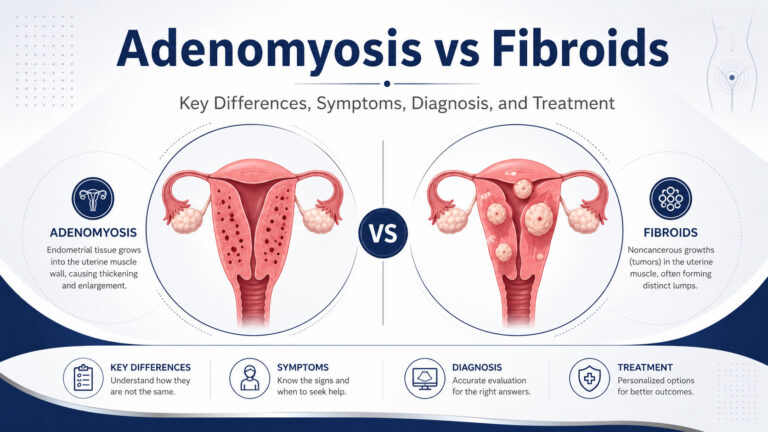
- Show signs of adenomyosis as the primary condition
- Possess certain types of pedunculated submucosal fibroids
- Have severe kidney disease affecting blood flow
- Are allergic to contrast material used during the procedure
Women who strongly desire future fertility should have detailed discussions with their doctor. While many women have conceived after UFE, the procedure’s impact on pregnancy outcomes requires careful review of individual circumstances.
Dr. Samir Abdel Ghaffar conducts thorough evaluations to determine each woman’s candidacy, ensuring the chosen treatment aligns with her health goals and medical history.
Does UFE Work on Large Fibroids?
Large fibroids respond well to embolization, though results may vary based on fibroid size and location. The procedure effectively treats fibroids ranging from small to quite large, often exceeding 10 centimeters.
Larger fibroids may require more time to shrink completely, but most women notice symptom relief within the first few menstrual cycles. The blood supply cut-off causes even substantial fibroids to decrease gradually, providing lasting improvement.
Studies show that fibroid volume typically reduces by 40-75% within the first year after treatment. This shrinkage translates to significant relief from pressure symptoms, abnormal bleeding, and other issues affecting quality of life.
Uterine Fibroid Embolization Success Rate
The success rate for UFE stands impressively high, with 85-95% of women reporting significant symptom improvement. This invasive treatment option has proven its effectiveness through decades of clinical use and extensive research.
Most patients experience lasting relief from heavy menstrual bleeding, with studies showing sustained results beyond five years. The procedure’s effectiveness remains consistent across different fibroid classifications and patient demographics.
Long-term satisfaction rates remain strong, with most women avoiding hysterectomy even ten years after their UFE procedure. This makes it a reliable, effective alternative for women seeking to preserve their reproductive organs while gaining symptom relief.
Is Uterine Fibroid Embolization Painful?
During the UFE procedure itself, you’ll receive sedation and pain medication to keep you comfortable. Most women describe feeling mild pressure or cramping rather than sharp pain.
Post-procedure discomfort typically peaks within the first 24 hours as fibroids begin losing their blood supply. This cramping resembles strong menstrual pain and responds well to prescribed pain medication.
Recovery usually involves:
- Mild to moderate cramping for several days
- Fatigue requiring a few days of rest
- Gradual return to normal activities within one week
- Most women resuming work within 7-10 days
The recovery period proves significantly shorter and less painful than surgical alternatives like hysterectomy or myomectomy, which require weeks of healing and major activity restrictions.
Uterine Fibroid Embolization Side Effects
Like any medical procedure, UFE carries potential side effects, though most prove temporary and manageable. Understanding these helps set realistic expectations for your recovery journey.
Common short-term effects include:
- Post-embolization syndrome (cramping, low-grade fever, fatigue)
- Vaginal discharge as fibroid tissue breaks down
- Temporary changes in menstrual patterns
- Minor bruising at the catheter insertion site
Serious complications occur rarely, affecting less than 1% of patients. The procedure’s safety profile compares favorably to surgical options, with lower risks of infection, blood loss, and other major complications.
Long-Term Side Effects of Fibroid Embolization
Most women experience no lasting negative effects from UFE. The procedure preserves the uterus and surrounding tissues while targeting only the problematic fibroid blood supply.
Some women notice earlier menopause onset, particularly those over 45 at the time of treatment. This occurs because tiny particles may occasionally affect ovarian blood flow, though the risk remains relatively low.
Fertility preservation represents an important consideration. While many women have conceived after UFE, those planning future pregnancies should discuss all available options thoroughly. The procedure doesn’t guarantee maintained fertility, making this conversation essential for women in their reproductive years.
Choosing Your Treatment Path
Selecting the right fibroid treatment involves weighing multiple factors: your symptoms, fibroid characteristics, future pregnancy plans, and personal preferences. Dr. Samir Abdel Ghaffar provides personalized consultations to help you discover the most suitable approach for your unique situation.
As a specialist in Interventional Radiology, Dr. Abdel Ghaffar brings extensive experience in performing uterine artery embolization with consistently excellent outcomes. His expertise helps patients avoid unnecessary surgery while achieving the relief they deserve.
FAQWho Is a Good Candidate for Uterine Fibroid Embolization?
Who is eligible for fibroid embolization?
Women with symptomatic fibroids causing heavy bleeding, pain, or pressure who want to preserve their uterus typically make good candidates. The procedure works best for those who have completed childbearing and seek a minimally invasive alternative to surgery.
Can fibroids cause leg swelling?
Large fibroids can sometimes press on pelvic blood vessels, potentially causing leg swelling or discomfort. This happens when fibroids grow large enough to affect circulation, though it’s less common than other symptoms like pelvic pressure or urinary issues.
Who is not a candidate for uterine artery embolization?
Women who are pregnant, actively trying to conceive, have pelvic infections, or show signs of certain cancers aren’t suitable candidates. Those with specific fibroid types, like some pedunculated submucosal varieties, may require different treatment approaches.
Which is better, ablation or embolization?
Each procedure serves different purposes. Endometrial ablation treats bleeding by removing the uterine lining but doesn’t address fibroids themselves. UFE directly treats fibroids and their symptoms, making it more comprehensive for women whose bleeding stems from fibroid-related causes. Your doctor can help determine which option best suits your specific situation.
Take the Next Step Toward Relief
You don’t have to live with debilitating fibroid symptoms. Contact Dr. Samir Abdel Ghaffar today to learn whether uterine fibroid embolization offers the right solution for you.
London, UK:
- Clinic: 00442081442266
- WhatsApp: 00447377790644
Cairo, Egypt:
- Booking: +201000881336
- WhatsApp: +201000881336
Your journey toward a healthier, more comfortable life starts with a single conversation. Discover how this safe, effective procedure can provide the relief you’ve been seeking without major surgery.