Living with uterine fibroids can feel overwhelming. Heavy bleeding, pelvic pain, and pressure symptoms disrupt your daily life, leaving you desperate for relief.
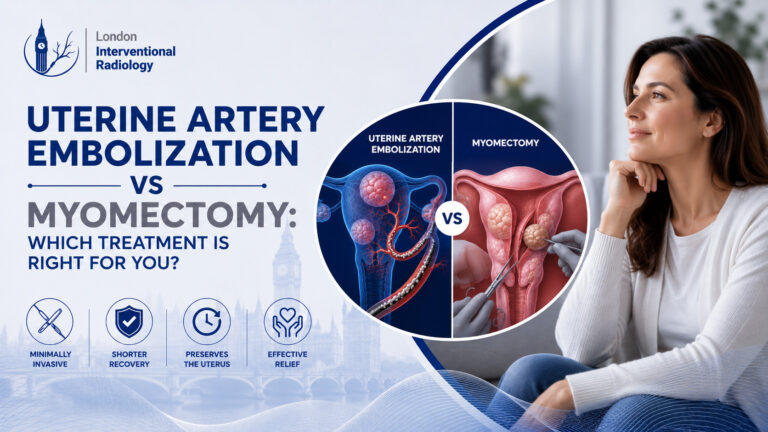
You’ve heard about treatment options, but which one truly works without major surgery? When deciding between uterine artery embolization vs myomectomy, understanding the key differences helps you make an informed decision about your health and future fertility.
Understanding Uterine Fibroids and Treatment Options
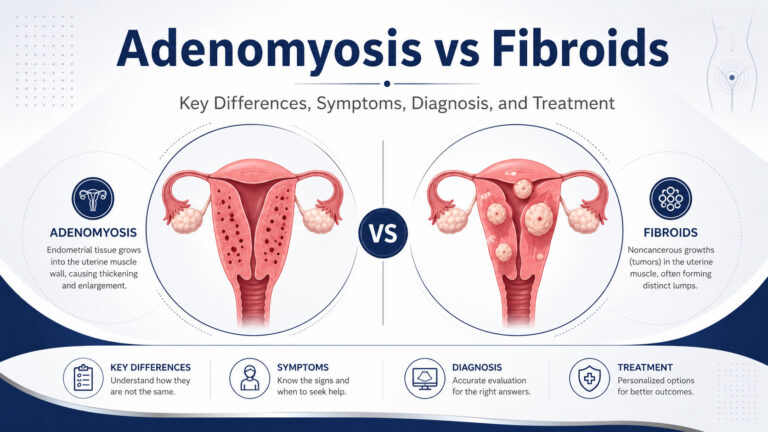
Uterine fibroids affect millions of women worldwide, particularly those of childbearing age. These benign tumors grow within the uterus and can cause significant symptoms including heavy menstrual bleeding, pelvic discomfort, and reproductive challenges.
The management of symptomatic fibroids has evolved considerably. Women diagnosed with fibroids now have multiple treatment alternatives beyond traditional hysterectomy. Two popular options include uterine artery embolization (UAE or UFE) and myomectomy procedures. Both aim at preserving the uterus while effectively managing symptoms.
A systematic review of published studies shows that minimally invasive treatments offer comparable outcomes to surgical interventions, with differences in recovery time, complications, and long-term results. The primary approach depends on factors like fibroid size, location, symptom severity, and whether you plan future pregnancies.
Uterine Artery Embolization vs Myomectomy: The Core Differences
What Is Uterine Artery Embolization?
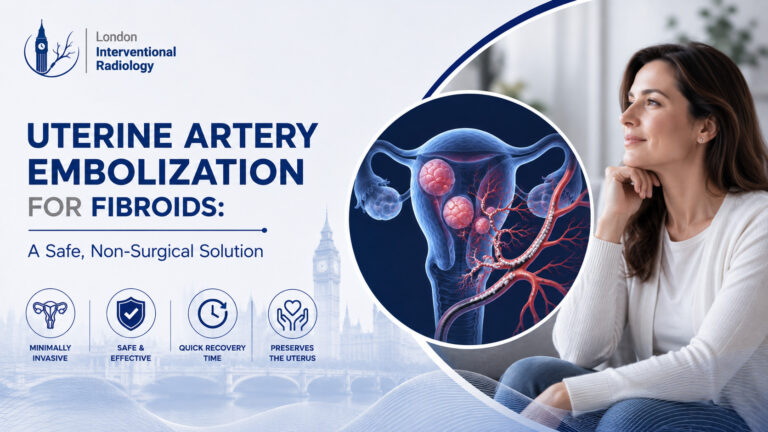
Uterine fibroid embolization represents a breakthrough in interventional radiology. During this procedure, a radiologist uses a catheter guided through blood vessels to reach the uterine artery. Tiny particles are injected to block the flow of blood supply to fibroids, causing them to shrink and symptoms to resolve.
The technique is performed under local anesthesia with minimal sedation. No surgical incision is required, making it truly minimally invasive. Most women return home the same day.
What Is Myomectomy?
Myomectomy involves surgical removal of fibroids while preserving the uterus. The procedure can be performed through different techniques: open surgery (abdominal myomectomy), laparoscopic myomectomy, or hysteroscopic myomectomy, depending on fibroid characteristics.
While effective at cutting out visible tumors, myomectomy requires general anesthesia, longer operative time, and extended postoperative recovery. The approach varies based on the number, size, and location of leiomyomas.
Myomectomy vs UFE Pregnancy: Fertility Considerations
For women with reproductive goals, fertility preservation remains crucial. The evidence comparing these interventions shows important considerations:
Pregnancy After UAE
Studies indicate that pregnancy is possible following uterine-artery embolization. However, some research suggests slightly higher rates of obstetric complications. Women who completed the procedure have successfully carried pregnancies, though careful monitoring is recommended.
Pregnancy After Myomectomy
Surgical myomectomy has a longer track record for fertility preservation. Many women achieve successful pregnancies after fibroid removal. However, the procedure itself carries risks including uterine scarring, which may require cesarean delivery.
For premenopausal women in their childbearing age, discussing fertility plans with your interventional specialist helps determine the most appropriate treatment. Dr. Samir Abdel Ghaffar evaluates each patient’s unique situation to guide them toward the best option for their reproductive future.
Uterine Artery Embolization vs Hysterectomy: A Safer Alternative
Hysterectomy, the complete removal of the uterus, was once considered the standard treatment for symptomatic fibroids. However, this invasive surgery permanently ends fertility and involves significant recovery.
UAE offers a compelling alternative to hysterectomy. This sparing procedure preserves the uterus while effectively managing symptoms. Women maintain their reproductive organs and avoid the hormonal and psychological impacts of hysterectomy.
Meta-analysis of studies compares the efficacy of both approaches, showing that UAE successfully treats symptoms in most women while maintaining quality of life. Reintervention rates exist for both procedures, but UAE avoids the permanent changes of hysterectomy.
Myomectomy vs Hysterectomy: Weighing Surgical Options
When surgical intervention seems necessary, myomectomy presents a uterus-sparing alternative to hysterectomy. Both are invasive surgical procedures requiring general anesthesia, hospital admission, and significant recovery time.
Myomectomy allows future pregnancies, while hysterectomy does not. However, myomectomy carries risks including blood loss during surgery, potential for fibroid recurrence, and postoperative adhesions. Hysterectomy eliminates fibroids permanently but represents the most drastic option.
For many women, neither surgery is the best solution. UAE provides symptom relief without major surgery, preserving reproductive options and minimizing complications.
Laparoscopic Myomectomy: A Minimally Invasive Surgical Approach
Laparoscopic myomectomy uses small incisions and a camera to guide fibroid removal. Compared to open surgery, this technique reduces postoperative pain, shortens hospital stays, and accelerates recovery.
However, laparoscopic myomectomy still requires general anesthesia, carries surgical risks, and may not be suitable for all fibroid types. Large or numerous leiomyomas often necessitate open surgery instead.
The procedure demands advanced surgical skill and has rare but serious complications including excessive bleeding and organ injury. Recovery typically takes several weeks before returning to normal activities.
Comparing Outcomes: Efficacy, Recovery, and Quality of Life
Procedure Success and Symptom Relief
Published studies investigating these treatments show high success rates for both UAE and myomectomy in managing symptoms. Most women experience significant improvement in heavy bleeding, pelvic pressure, and pain.
UAE demonstrates particular effectiveness for multiple fibroids, as the procedure treats all tumors simultaneously. Myomectomy addresses only visible, accessible fibroids, potentially leaving smaller tumors untreated.
Recovery Time and Complications
UAE offers remarkable advantages in recovery. Most women resume normal activities within one week. The minimally invasive nature means less pain, no surgical wounds, and minimal risk of infection.
Myomectomy requires longer recovery—typically four to six weeks for laparoscopic procedures and six to eight weeks for open surgery. Postoperative complications include infection, bleeding, and adhesion formation.
Long-term Results
Systematic review evidence shows both treatments effectively improve quality of life. Reintervention rates vary, with fibroids potentially recurring after myomectomy. UAE provides lasting symptom control in most cases, though some women may require additional treatment.
Additional Treatment Options: HIFU and Beyond
High-Intensity Focused Ultrasound (HIFU treatment) represents another non-invasive option. This technique uses focused ultrasound waves guided by MRI to heat and destroy fibroid tissue. The ablation occurs without incisions or catheters.
HIFU treatment works best for specific fibroid types and locations. Limited long-term data exists compared to UAE and myomectomy. Other emerging techniques include radiofrequency ablation and myolysis, though these remain less established.
Each alternative has benefits and limitations. Consulting an experienced interventional radiologist helps you understand which approach suits your situation best.
Why Choose Uterine Artery Embolization with Dr. Samir Abdel Ghaffar?
Dr. Samir Abdel Ghaffar brings extensive expertise in interventional radiology and the management of symptomatic fibroids. His approach focuses on minimally invasive treatments that preserve fertility while effectively resolving symptoms.
The benefits of choosing UAE include:
- No surgical incision: The procedure uses only a tiny catheter insertion point
- Same-day discharge: Most patients go home within hours
- Rapid recovery: Return to normal life within days, not weeks
- Treats all fibroids: One procedure addresses multiple tumors simultaneously
- Preserves the uterus: Maintains reproductive organs and hormonal balance
- Lower complication rates: Minimally invasive approach reduces surgical risks
Dr. Samir’s patients receive personalized care, thorough evaluation, and support throughout their treatment journey. Whether you’re seeking relief from current symptoms or planning future pregnancies, UAE offers an effective, safe alternative to traditional surgery.
Frequently Asked Questions
Who is eligible for fibroid embolization?
Women with symptomatic uterine fibroids who wish to avoid surgery are typically good candidates. The procedure works well for those with multiple fibroids, large tumors, or those who have previously undergone myomectomy. However, individual evaluation determines eligibility based on fibroid characteristics and overall health.
Which surgery is best for uterus fibroid removal?
No single surgery suits everyone. Laparoscopic myomectomy offers benefits for certain fibroid types, while UAE provides excellent results without surgery. Your best option depends on fibroid size, location, symptom severity, fertility plans, and personal preferences. Consultation with specialists helps identify the optimal approach.
Why do some doctors prefer myomectomy over UFE?
Some physicians have more familiarity with surgical techniques or lack training in interventional procedures. Additionally, myomectomy has longer historical data, particularly regarding pregnancy outcomes. However, growing evidence supports UAE as equally effective for many women, especially those not prioritizing future fertility.
What is the difference between uterine fibroid embolization and uterine artery embolization?
These terms describe the same procedure. UFE (uterine fibroid embolization) and UAE (uterine artery embolization) both involve blocking blood flow to fibroids through catheterization. The terminology difference simply reflects whether you emphasize the target (fibroids) or the technique (artery occlusion).
Is UAE better than myomectomy?
Each treatment has advantages. UAE offers faster recovery, avoids surgical complications, and treats multiple fibroids simultaneously. Myomectomy may be preferred for women strongly focused on fertility or those with specific fibroid types. Analysis of all published studies shows comparable symptom relief, with differences mainly in invasiveness and recovery.
Why is myomectomy not recommended?
Myomectomy carries surgical risks including bleeding, infection, and potential uterine damage. For women not planning pregnancy, the invasive nature may be unnecessary when less invasive options exist. Additionally, fibroids can regrow after myomectomy, potentially requiring additional procedures.
How successful is uterine fibroid embolization?
Studies show 85-90% of women experience significant symptom improvement following UAE. Most report reduced bleeding, less pelvic pressure, and improved quality of life. The procedure effectively shrinks fibroids by blocking their blood supply, providing lasting relief for most patients.
Is embolization better than myomectomy?
For many women, embolization offers superior advantages: no surgery, faster recovery, fewer complications, and simultaneous treatment of all fibroids. However, individual circumstances matter. Women prioritizing fertility may prefer myomectomy, while those seeking minimally invasive treatment often choose UAE.
What are the disadvantages of uterine artery embolization?
Potential drawbacks include post-procedure cramping (manageable with medication), small risk of infection, and rare cases of fibroid passage. Some women experience temporary menstrual changes. While pregnancy is possible after UAE, those actively planning immediate conception might consider alternatives. Overall, complications remain rare compared to surgical options.
Is embolization better than surgery?
Embolization avoids many surgical risks: no general anesthesia, no hospital admission, no large incisions, and minimal recovery time. For managing benign tumors like fibroids, the minimally invasive approach often provides better outcomes with fewer complications. Most women prefer avoiding invasive surgery when equally effective alternatives exist.
Take the Next Step Toward Relief
Living with symptomatic fibroids doesn’t mean accepting major surgery. Uterine artery embolization provides an effective, minimally invasive alternative that preserves your uterus while resolving uncomfortable symptoms.
Dr. Samir Abdel Ghaffar specializes in helping women find relief through advanced interventional techniques. Whether you’re exploring options for the first time or seeking alternatives after other treatments, personalized evaluation guides you toward the best decision for your health.
Contact Dr. Samir Abdel Ghaffar today:
Cairo, Egypt:
- Booking: +201000881336
- WhatsApp: +201000881336
Your journey to symptom relief begins with understanding your options. Reach out today to learn how uterine artery embolization can transform your quality of life without invasive surgery.