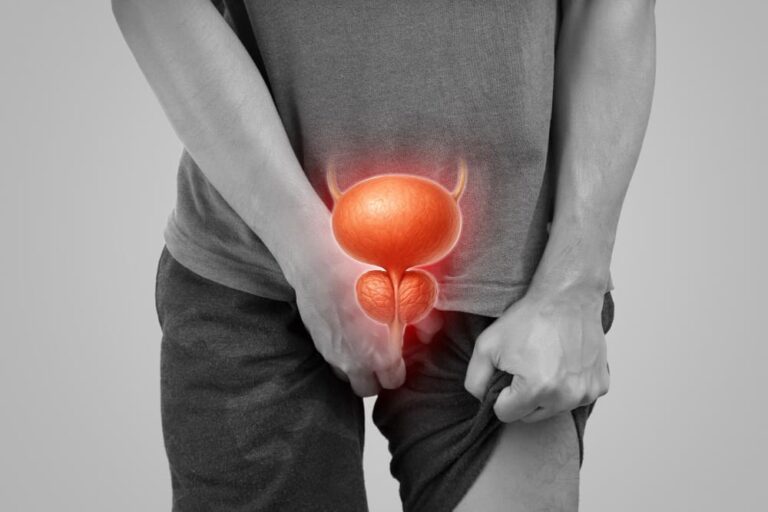
Are you exhausted by the constant urge to go, disrupting your sleep and quality of life? The thought of traditional surgery, with its risks of incontinence and long downtime, can be terrifying. You want a solution that shrinks the enlarged gland effectively but lets you return to normal life fast.
That is why learning about prostate artery embolization recovery time is crucial—it offers a safe, minimally invasive alternative to get you back on your feet in days, not months.
Understanding Prostate Artery Embolization Recovery Time
When comparing treatments for an enlarged prostate, the most significant advantage of PAE is the recovery speed. Unlike traditional surgery, specifically Transurethral Resection of the Prostate (TURP), which often requires days in the hospital and weeks of limited activity, the prostate artery embolization recovery time is drastically shorter.
Most patients typically feel ready to return to light activities within 24 to 48 hours. Because PAE is a minimally invasive procedure performed through a pinhole in the wrist or groin, there are no large incisions to heal. This approach preserves the structural integrity of the tissue, ensuring that the healing process focuses on the shrinking prostate rather than surgical wounds. Dr. Samir Abdel Ghaffar, a renowned Consultant Interventional Radiologist, specializes in this technique to ensure patients experience much shorter recovery time compared to standard treatments.
What is Prostate Artery Embolization (PAE)?
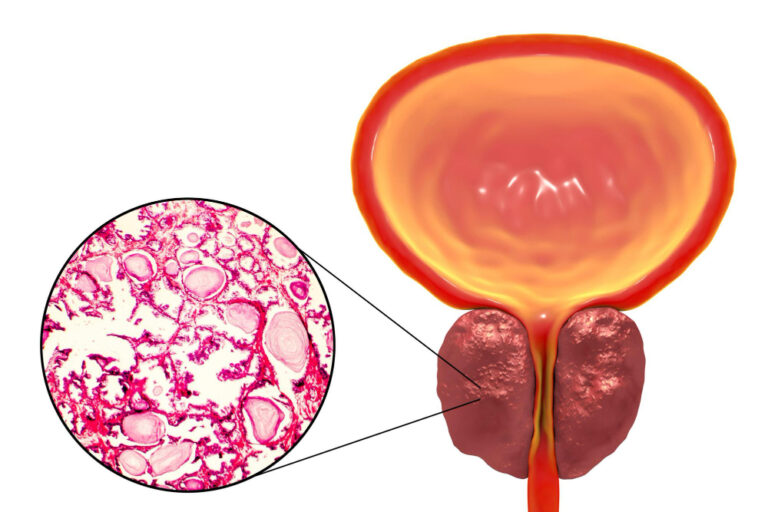
To understand the recovery, we must understand the procedure. Prostate artery embolization is an interventional radiology treatment where a radiologist injects microscopic beads into the arteries supplying blood to the prostate.
This blocks the blood supply, causing the prostate to shrink over time. As the gland shrinks, the urethra is no longer compressed, leading to improved urinary flow and relief from bothersome lower urinary tract symptoms. It is a safe, outpatient procedure that avoids the risks of open surgery.
How Long Does a Prostate Artery Embolization Procedure Take?
One of the most common questions we hear is regarding the schedule of the surgery itself. In reality, it isn’t “surgery” in the traditional sense. The procedure typically takes between 1 to 3 hours.
Dr. Samir performs this in a specialized angiography suite. You are not put under general anesthesia; instead, “twilight sedation” and local anesthesia are used. This means you are awake but relaxed and feel no pain. This lack of general anesthesia is a key factor in why the recovery time is so rapid. You don’t have the grogginess or complications often caused by being put to sleep for extended periods.
Prostate Artery Embolization Post Procedure: Immediate Steps
Immediately following the procedure, you will be monitored for a few hours. Since this is usually an outpatient process, the majority of patients go home the same day.
What to expect in the first 24 hours:
- Rest: You should rest for the remainder of the day.
- Sensation: You might feel mild pelvic discomfort or a sensation similar to menstrual cramps, which is easily managed with oral medication.
- Diet: You can eat and drink normally almost immediately.
The catheter situation is also much better than surgery. While traditional methods might require a catheter for a week, with PAE, many patients do not need one at all, or only for a very short duration if they had severe retention beforehand.
Post PAE Syndrome: What to Expect
While the recovery time is short, the body does need to adjust. Some patients experience “Post PAE Syndrome.” This is not a complication but a sign the procedure is working. It typically lasts for 2 to 3 days and may include:
- Low-grade fever.
- Mild pelvic pain.
- Nausea.
- Fatigue.
These are natural inflammatory responses as the prostate tissue begins to ischemic (lose blood supply) and shrink. Dr. Samir ensures every patient is provided with a proper medication plan to manage these symptoms effectively, ensuring they are short-lived.
Prostate Artery Embolization Side Effects vs. Traditional Surgery
Every medical intervention carries risk, but PAE is celebrated for its safety profile. Common prostate artery embolization side effects are generally minor and transient compared to TURP.
PAE Risks (Rare/Minor):
- Bruising at the puncture site.
- Temporary frequent urination.
- Minor blood in urine or semen for a few days.
Traditional Surgery Risks (Avoided with PAE):
- Sexual Dysfunction: Surgery often causes retrograde ejaculation (dry orgasm) or erectile dysfunction. PAE preserves sexual function.
- Incontinence: Surgical removal of tissue can damage the sphincter, leading to leaking. PAE does not touch the sphincter.
- Heavy Bleeding: Surgical resection involves cutting; PAE involves blocking arteries, so blood loss is minimal.
By choosing PAE, you avoid the life-altering complications that often make men hesitate to seek treatment.
Who is Not a Candidate for Prostate Artery Embolization?
Transparency is key to Dr. Samir’s practice. While PAE is effective for many, it is not for everyone. You might not be a candidate if:
- You have prostate cancer (PAE is primarily for benign prostatic hyperplasia).
- You have extremely advanced atherosclerosis (hardening of the arteries) that prevents the catheter from navigating the blood vessels.
- You have chronic kidney disease or allergy to contrast dye (though precautions can sometimes be taken).
A thorough consultation and imaging (CT angiography) with Dr. Samir will determine if your anatomy allows for a successful embolization.
Prostate Artery Embolization Success Rate
Patients often wonder if a procedure with such a quick recovery time is actually effective. The data is compelling. The prostate artery embolization success rate is high, with studies showing that over 90% of procedures are technically successful.
In terms of symptom relief:
- Short Term: Improvement is often noticed within weeks as the swelling subsides and the prostate shrinks.
- Long Term: Studies tracking patients over 5-10 years show sustained relief from urinary symptoms comparable to TURP, but with fewer complications and better quality of life scores.
Prostate Artery Embolization Reviews: Patient Experiences
Reviews for PAE frequently highlight the difference in lifestyle post-procedure. Men who have undergone the treatment often report:
- “I was back to work on Monday after a Friday procedure.”
- “No sexual side effects, which was my biggest fear.”
- “I can finally sleep through the night without waking up 4 times to pee.”
Dr. Samir Abdel Ghaffar has treated numerous patients who were initially told surgery was their only option. Their testimonials consistently praise the painless nature of the treatment and the freedom of avoiding the operating room.
Prostate Artery Embolization Cost
Cost is a valid concern. While prostate artery embolization cost varies by location and hospital, it is often comparable to or less expensive than surgery when you factor in the reduced hospital stay and quicker return to work.
Because it is an outpatient procedure requiring fewer hospital resources (no general anesthesia, no operating theater, no overnight stay), it is a cost-effective solution for treating enlarged prostate. We encourage you to contact our clinics in London or Cairo for a specific breakdown of the costs involved.
How PAE Compares to Other Treatments
It is helpful to view PAE against the landscape of standard treatments.
| Feature | PAE (Embolization) | TURP (Surgery) | Medications |
| Invasiveness | Minimally Invasive (Pinhole) | Moderate (Cutting/Scraping) | Non-invasive |
| Anesthesia | Local / Sedation | General / Spinal | None |
| Hospital Stay | 0-1 Day | 1-3 Days | None |
| Recovery Time | Days | Weeks | N/A |
| Sexual Side Effects | Very Rare | Common | Common |
Dr. Samir also utilizes Echolaser, another innovative minimally invasive technique, ensuring that patients have access to the absolute best technology suited for their specific condition.
Why Choose Dr. Samir Abdel Ghaffar?
Choosing the right doctor is as important as choosing the right procedure. Dr. Samir Abdel Ghaffar is a pioneer in Interventional Radiology. Treating BPH with catheterization without surgery requires high-level skill to navigate tiny arteries.
- Experience: Years of specialized experience in London and Egypt.
- Technology: Utilizes state-of-the-art imaging and embolization agents.
Holistic Approach: Whether it is PAE or Echolaser, Dr. Samir tailors the treatment to the patient’s anatomy and lifestyle goals. 🤝
Frequently Asked Questions (FAQs)
Do you need a catheter after prostate artery embolization?
In many cases, no. If you could urinate before the procedure, you typically won’t need a catheter after. If you had a catheter due to urinary retention prior to PAE, you might keep it for a week or two to allow the prostate to shrink enough for you to pee on your own.
How painful is prostate artery embolization?
It is generally not painful. The procedure is done under sedation. Post-procedure, you may feel some cramping or pelvic discomfort, but this is easily managed with oral painkillers and resolves quickly.
What are the complications of prostate embolization?
Complications are rare but can include bruising at the puncture site, non-target embolization (beads going to the wrong area, which is very rare in experienced hands), or temporary urinary frequency.
When does PAE start working?
The shrinking process begins immediately, but symptom relief typically starts to become noticeable within 1 to 2 weeks as the swelling from the procedure goes down and the tissue volume decreases.
Do men have to wear diapers after prostate surgery?
With traditional surgery (prostatectomy or TURP), temporary or permanent incontinence requiring diapers is a risk. With PAE, the sphincter is not touched, so there is no risk of incontinence and no need for diapers.
Is prostate embolization a major surgery?
No, it is not major surgery. It is a minimally invasive interventional radiology procedure. There are no incisions, no stitches, and no general anesthesia.
How long is PAE surgery?
The procedure typically takes between 1 to 3 hours, depending on the complexity of the patient’s arterial anatomy.
How many days rest is needed after prostate surgery?
For traditional surgery, weeks of rest are needed. For PAE, usually 2 to 4 days of rest are sufficient before returning to light work and normal activities.
Are you put to sleep during UFE?
This question refers to Uterine Fibroid Embolization, which is similar to PAE. For both UFE and PAE, you are generally not put to sleep. You receive conscious sedation (twilight sleep), so you are relaxed but breathing on your own.
How long do you need a catheter after prostate surgery?
After traditional surgery, a catheter is needed for days to weeks. After PAE, if one is needed at all, it is usually removed much sooner, often within a few hours or days.
What is recovery like after prostate artery embolization?
Recovery is smooth and quick. You may have “post-PAE syndrome” (mild fever, fatigue) for a few days, but you are mobile and independent almost immediately.
How does a man pee after prostate surgery?
After PAE, once the prostate shrinks, the urethra widens. This allows the man to pee with a stronger stream, less straining, and more complete emptying of the bladder.
Take the Next Step Toward Relief
Living with BPH doesn’t mean you have to accept a life of discomfort or undergo risky surgery. The prostate artery embolization recovery time is a game-changer, offering effective relief with minimal downtime.
Dr. Samir Abdel Ghaffar is ready to help you explore this safe, non-surgical option. Reclaim your quality of life today. 🌟
Contact Dr. Samir Abdel Ghaffar:
1. London, UK:
- Clinic number: 00442081442266
- WhatsApp number: 00447377790644
2. Egypt:
- Cairo booking number: 00201000881336
- WhatsApp number: 00201000881336
Book your consultation now and discover a life free from BPH symptoms. 📞