Are heavy periods and pelvic pain controlling your daily life? You are not alone, and the fear of major surgery is real. But there is a highly effective solution through uterine artery embolization for fibroids. This safe technique stops blood flow to tumors, shrinking them without cutting.
Understanding Uterine Artery Embolization for Fibroids
When we talk about current literature regarding women’s health, the conversation is shifting away from aggressive surgery toward less invasive options. Uterine artery embolization for fibroids (also referred to as UFE) is a breakthrough procedure performed by an interventional radiologist like Dr. Samir Abdel Ghaffar.
Unlike a hysterectomy, which removes the entire uterus, or a myomectomy, which cuts out individual fibroids, this technique focuses on the root cause: the blood supply. By blocking the arteries that feed these benign tumors, we cause them to shrink and die while leaving the healthy uterine tissue unharmed. It avoids the risks associated with open surgery and offers a much faster recovery.
How the Procedure Works: Blocking the Blood Supply
The concept is simple yet brilliant. Fibroids are living tissue that requires a constant supply of blood to grow. Abstract Uterine artery embolization studies show that these tumors are “thirsty”—they draw more blood than the surrounding muscle.
During the procedure, Dr. Samir uses a slender tube called a catheter. He inserts this into an artery (usually in the wrist or groin) and guides it using advanced imaging until it reaches the uterine artery. Once in place, tiny particles (about the size of grains of sand) are injected. These particles act like a dam. They block the flow of blood specifically to the fibroids. Deprived of nutrients and oxygen, the fibroids begin to soften and shrink. The steps of this procedure are minimally invasive, meaning no large incisions and typically no general anesthesia.
Uterine Artery Embolization Side Effects
It is important to be transparent about what happens after the treatment. While uterine artery embolization is generally safe, your body will react to the process of the fibroids dying. This is actually a sign that the treatment is working.
Common side effects include “post-embolization syndrome.” This may involve pelvic pain and cramping, similar to strong menstrual cramps, which occurs as the blood supply is cut off. Nausea and low-grade fever are also possible in the first few days. However, these are temporary conditions that are managed with medication. Unlike surgical wounds that take weeks to heal, these symptoms usually subside quickly, allowing you to return to normal life much sooner.
Long-Term Side Effects of Fibroid Embolization
The good news is that long-term complications are rare. Mayo Clinic researchers and other global experts have studied UFE extensively. The data indicates that the risk of serious complications is significantly lower than with hysterectomy.
Some women worry about ovarian function. In rare cases, the particles used for blocking might affect the blood supply to the ovaries, potentially leading to earlier menopause, though this is much less common in women under 45. Dr. Samir Abdel Ghaffar takes extreme care to target only the fibroid vessels, ensuring the safety of your reproductive organs. Most women find that their long-term “side effect” is simply the absence of pain and bleeding.
Uterine Artery Embolization Recovery Time
One of the main reasons patients choose this option is the recovery. If you undergo a hysterectomy, you are looking at 6 to 8 weeks of downtime. With uterine artery embolization, the timeline is drastically different.
Most patients go home the same day or spend just one night in the hospital for pain management. You can typically walk around gently immediately after the procedure. By the end of the first week, most women feel ready to return to light desk work. Within 8 to 14 days, you are usually fully back to your normal routine. This quick turnaround is vital for modern women who cannot afford to put their lives on hold for months.
Uterine Artery Embolization Success Rate
Does it really work? The evidence is overwhelming. Studies show that uterine fibroid embolization is effective in 85% to 90% of cases. “Effective” here means a significant reduction in symptoms.
The bleeding typically stops or normalizes almost immediately after the procedure. The bulk-related symptoms, like pressure on the bladder or bloating, improve as the fibroids shrink over the following 3 to 6 months. It is a highly reliable treatment that has saved thousands of women from unnecessary removal of their uterus.
What Happens to the Uterus After Uterine Artery Embolization?
This is a common question. Does the uterus die? No.
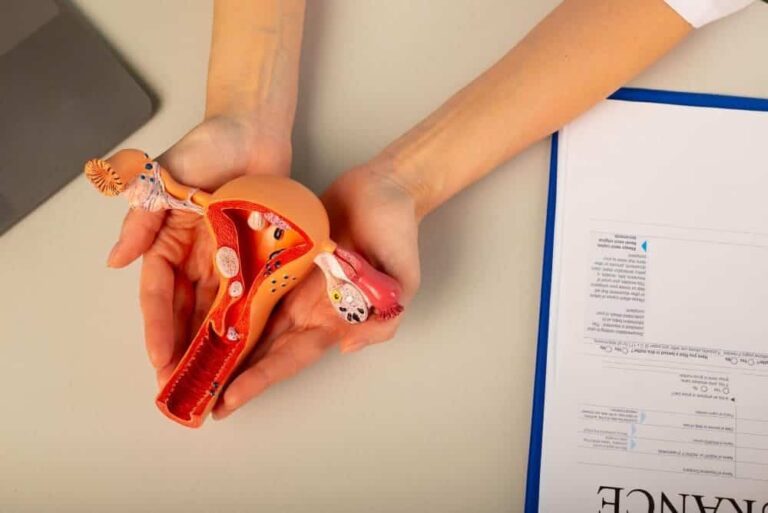
The uterus has a unique vascular system. It is incredibly resilient and can recruit blood from other minor vessels to keep the healthy muscular wall alive. The fibroids, however, do not have this backup system. When Dr. Samir blocks the uterine arteries, the healthy uterus survives, but the fibroids starve. Over time, the treated fibroids turn into scar tissue and shrink in size. Your uterus remains in place, preserving your hormonal balance and structural integrity.
Uterine Fibroid Embolization Reviews
Patient stories are powerful. Many women who were told surgery was their “only option” are relieved to find Dr. Samir.
- Sarah, 34: “I was terrified of surgery. UFE was a breeze compared to what I expected. I was back at work in 10 days.”
- Amal, 42: “My bleeding was so heavy I couldn’t leave the house. After the embolization, I have my life back. No scars, no pain.”
These reviews highlight a common theme: relief. The quality of life improvements are drastic and fast.
Comparing Surgical Options: Hysterectomy vs. Embolization
When you look at the options, the contrast is stark.
- Hysterectomy: This is major surgery. It involves cutting out the uterus. It carries risks of infection, blood loss, and damage to surrounding organs. Recovery is long and painful.
- Myomectomy: This removes just the fibroids but requires cutting into the uterus. There is a high risk of bleeding, and fibroids can grow back.
- Embolization: This is a minimally invasive procedure. It uses a tiny puncture, not a cut. It treats all fibroids at once, unlike myomectomy which might miss small ones. It avoids the trauma of surgery and preserves the uterus.
For symptomatic relief without the scalpel, embolization is the superior choice for many candidates.
Why Choose Dr. Samir Abdel Ghaffar?
Choosing the right doctor is as important as choosing the right procedure. Dr. Samir Abdel Ghaffar is a renowned Consultant Interventional Radiologist. He specializes in uterine fibroids and adenomyosis treatment via catheterization.
His approach is not just about the technique; it is about patient care. He understands that every woman’s case is unique. Whether you are dealing with massive leimyomata causing pressure or small submucosal fibroids causing bleeding, he tailors the treatment to you. With clinics in London and Cairo, he brings world-class expertise to your doorstep.
Is Embolization Right for You? (Who is a Candidate)
Generally, you are a good candidate if:
- You have symptomatic fibroids (pain, bleeding, pressure).
- You want to avoid major surgery.
- You want to keep your uterus.
- You are not currently pregnant.
Dr. Samir will review your MRI and medical history to ensure this is the safest path for you.
Preparing for Your Appointment
When you come to see Dr. Samir, bring your recent ultrasound or MRI scans. Be ready to discuss your symptoms honestly. Ask questions about the risks and benefits. This consultation is your opportunity to learn how you can reclaim your health.
Frequently Asked Questions (FAQs)
What are the disadvantages of fibroid embolization?
The main disadvantage is “post-embolization syndrome” (pain, nausea, fever) for a few days. In very rare cases, the procedure might not fully shrink the fibroids, or infection could occur. However, these risks are lower than surgery.
Does uterine fibroid embolization really work?
Yes. It has a success rate of nearly 90% in relieving symptoms like heavy bleeding and pain.
How much does uterine artery embolization shrink fibroids?
Fibroids typically shrink by 40% to 60% in volume. While they don’t disappear completely, this shrinkage is usually enough to resolve symptoms entirely.
What is the difference between uterine fibroid embolization and uterine artery embolization?
They are the same procedure. “Uterine Artery Embolization” (UAE) is the technical name for the technique of blocking the artery. When used specifically to treat fibroids, it is often called “Uterine Fibroid Embolization” (UFE).
Who is not a good candidate for UFE?
Women who are currently pregnant, have an active pelvic infection, or have suspected uterine cancer are not good candidates. Also, if you have extremely large pedunculated fibroids (hanging by a thin stalk), Dr. Samir might recommend a different approach.
Which is better, ablation or embolization?
Ablation (burning the lining of the uterus) only treats bleeding, not the fibroids themselves. Embolization treats the fibroids and the bleeding. If you have fibroids causing bulk symptoms (pressure, belly size), embolization is better.
Will my stomach flatten after UFE?
If your stomach is distended due to large fibroids (sometimes causing a “pregnancy look”), yes, your stomach will likely flatten as the fibroids shrink over the coming months.
Which is better, UFE or myomectomy?
UFE is less invasive, has a shorter recovery, and treats all fibroids at once. Myomectomy is surgery and carries higher risks, but it might be preferred if you are planning a pregnancy very soon, although many women conceive after UFE as well.
Do fibroids grow back after embolization?
It is rare for treated fibroids to regrow because they are killed (infarcted). However, new fibroids could potentially develop in untreated areas years later, though this is less common than recurrence after myomectomy.
What are the long-term effects of embolization?
The primary long-term effect is relief from symptoms. There is no scar on the uterus.
Can fibroids cause leg swelling?
Yes. Large fibroids can press on the veins in the pelvis, restricting blood flow from the legs and causing swelling or clots. Shrinking them with UFE resolves this.
What is the newest way to remove fibroids?
UFE is considered the gold standard for non-surgical “removal” (shrinkage). Other newer methods exist, like focused ultrasound, but UFE has more robust long-term data supporting its effectiveness.
Is beetroot good for fibroids?
Dietary changes can support health, and beetroot helps with anemia caused by bleeding, but there is no scientific evidence that beetroot shrinks fibroids. Medical intervention like UFE is required for treatment.
Conclusion
You do not have to live with the pain of fibroids or the fear of a hysterectomy. Uterine artery embolization is a proven, safe, and effective way to treat the problem at its source.
Dr. Samir Abdel Ghaffar is ready to help you navigate your options and choose the best path for your health.
Contact Dr. Samir Abdel Ghaffar:
🇬🇧 London, UK:
- Clinic: 00442081442266
- WhatsApp: 00447377790644
🇪🇬 Egypt:
- Cairo Booking: 00201000881336
- WhatsApp: 00201000881336